🇺🇸 SBA’s 2026 Policy Shift: How New Rules Affect Green Card Holders

🧾 What the SBA Changed

1. 100% of Business Owners Must Be U.S. Citizens or U.S. Nationals

Beginning March 1, all direct and indirect owners of any small business applying for SBA‑backed loans must be U.S. citizens or U.S. nationals, with no exceptions.
[politico.com], [cbsnews.com], [economicti…atimes.com]

This applies to all major SBA loan programs, including:

2. Green Card Holders Are No Longer Eligible

Under the new rule, green card holders cannot own even 1% of a business applying for an SBA loan.
[politico.com], [economicti…atimes.com], [news.bloom…erglaw.com]

This reverses a December 2025 rule that allowed:

3. SBA Rescinds Previous Guidance Allowing Partial Non‑Citizen Ownership

The new policy formally rescinds Procedural Notice 5000‑872050, replacing it with revised guidance under SOP 50 10 8.
[economicti…atimes.com], [sba.gov]


🗓️ Key Effective Dates & Deadline

Effective Date: March 1, 2026

Businesses with any green card holders in their ownership structure will lose eligibility starting on this date.
[visaverge.com]

Transition Rule

If a business with an LPR owner receives an SBA loan number before March 1, it may still qualify under the old rules.
[visaverge.com]

This has created a rush among lenders and applicants to submit paperwork before the cutoff.


🧭 Why the SBA Implemented the New Rules

The SBA cites compliance with Executive Order 14159, titled “Protecting the American People Against Invasion.”
[economicti…atimes.com]

The rule aligns with the Trump administration’s broader immigration and benefit‑restriction agenda, which has included:

  • Citizenship verification requirements on loan applications
  • Restrictions on non‑citizens receiving federal benefits
  • Relocating SBA regional offices from “sanctuary cities”
    [news.bloom…erglaw.com]

SBA officials argue the policy ensures taxpayer‑funded loan guarantees benefit:


⚠️ Impact on Immigrant Entrepreneurs

A major disruption to green‑card‑holder business ownership

Green card holders:

  • Can no longer own any stake in an SBA‑financed borrower
  • Cannot participate even as minority owners through indirect ownership layers
    [visaverge.com]

Economic Consequences

In some regions, up to 10% of existing SBA loan portfolios are now immediately ineligible under the new rules.
[economicti…atimes.com]

Immigrant advocates warn the policy:

  • Jeopardizes immigrant‑owned business creation
  • Eliminates access to mainstream capital
  • Undermines a demographic that starts businesses at twice the rate of U.S.-born residents
    [cbsnews.com]

Political Response

Lawmakers and advocacy groups reacted sharply:

  • Rep. Velázquez and Sen. Markey condemned the policy as anti‑immigrant and discriminatory.
    [politico.com]
  • Advocacy networks argue the SBA is abandoning its mission to support all small business growth.
    [cbsnews.com]

💼 What Affected Business Owners Must Do Now

1. Finalize loans before March 1 (if eligible under old rules)

Loans must receive their SBA loan number before the deadline.
[visaverge.com]

2. Consider restructuring ownership

Some businesses may:

  • Transfer LPR ownership to citizen partners
  • Create compliant structures to maintain funding eligibility
    However, even indirect Green Card ownership disqualifies a business, limiting restructuring options.
    [visaverge.com]

3. Consider alternative financing sources

Since SBA‑backed loans may no longer be accessible, alternatives include:

  • Community banks and credit unions
  • Private lenders
  • CDFIs
  • Non‑SBA microloans

📌 Conclusion

The SBA’s 2026 citizenship mandate marks a historic and controversial shift in federal small‑business lending. For the first time, lawful permanent residents—despite living, working, and paying taxes in the U.S.—are completely excluded from SBA‑backed loan programs.

The change affects thousands of immigrant entrepreneurs and alters the small‑business landscape nationwide. As the March 1 deadline approaches, businesses must quickly review ownership structures, explore alternative financing, or race to qualify under the prior rules.

Challenges Business Owners Face When Needing Financing

Securing financing is one of the most critical steps in building, growing, or sustaining a business. Yet, for many business owners, accessing the right funding at the right time feels overwhelmingly complex. Whether you’re seeking capital for expansion, equipment, payroll, or cash‑flow stabilization, the challenges are often universal. Understanding these hurdles can help business owners better prepare — and choose partners like Commercial Resources who simplify the process.


1. Strict Lending Requirements

Traditional lenders often require strong credit histories, substantial collateral, and detailed financial records. Even profitable businesses may struggle to meet every requirement, particularly newer companies or those in industries considered “higher risk.”

Common lender expectations include:

  • High personal and business credit scores
  • Multi-year financial statements
  • Significant collateral
  • A lengthy operating history

Businesses that fall short are often denied, even if they show strong potential.


2. Cash Flow Limitations

Cash flow is one of the biggest indicators lenders examine. Seasonal businesses, companies with slow-paying customers, or businesses experiencing rapid growth often face cash flow gaps — creating red flags for lenders.

Even temporary dips can impact:

  • Loan approval
  • Loan size
  • Interest rates offered

This creates a catch‑22: businesses need financing to stabilize cash flow, but they need strong cash flow to get financing.


3. Limited Awareness of Funding Options

Many business owners only consider traditional bank loans, not realizing there are alternative, flexible financing solutions that may better fit their needs.

Examples include:

  • Equipment financing
  • Working capital advances
  • Invoice factoring
  • Merchant cash advances
  • Asset‑based lending
  • Lines of credit designed for businesses with fluctuating revenue

Without understanding these options, owners may delay financing, accept unfavorable terms, or assume they won’t qualify at all.


4. Time Constraints and Slow Approvals

Running a business leaves little time for lengthy paperwork and repeated lender requests. Traditional financing can take weeks or even months to process.

This is especially challenging when funding is needed for:

  • Immediate operational costs
  • Sudden equipment failure
  • Seasonal inventory demands
  • Growth opportunities with short windows

When time is money, slow approvals can cost more than the financing itself.


5. Difficulty Preparing Documentation

Lenders often require:

  • Tax returns
  • Profit & loss statements
  • Bank statements
  • Debt schedules
  • Accounts receivable aging reports
  • Business plans

Many business owners simply don’t have these documents readily organized, especially those without dedicated financial staff. Preparing them can cause stressful delays.


6. High Interest Rates or Unfavorable Terms

Even when financing is approved, terms may not be ideal. Some owners face:

  • Higher‑than‑expected rates
  • Short repayment periods
  • Large upfront fees
  • Personal guarantees
  • Daily or weekly repayment schedules

These terms may solve a short-term need but strain long-term operations if not carefully evaluated.


7. Impact of Economic Conditions

Economic uncertainty — rising interest rates, supply chain issues, inflation, or sector-specific downturns — can tighten lending environments. Even well-established businesses may face reduced borrowing capacity simply due to market shifts outside their control.


How Commercial Resources Helps

Commercial Resources understands these challenges and works to eliminate friction in the financing process. By connecting businesses with flexible funding solutions tailored to their industry, revenue model, and timing needs, Commercial Resources ensures owners receive realistic options without unnecessary barriers.

Whether you need fast working capital, equipment financing, or a customized lending solution, the team is dedicated to simplifying every step.

How Tax Season Can Affect Your Ability to Get a Small Business Loan (and What Smart Borrowers Should Do About It)

Tax season isn’t just about preparing returns — it can directly impact your ability to secure financing, buy a business, or purchase commercial property. Whether you’re seeking an SBA loan, bank financing, or alternative funding, the accuracy and strength of your tax documentation play a major role in how lenders evaluate your business.

Below is a practical, lender-focused guide on how tax season affects financing approvals — and what business owners and commercial buyers can do to improve their chances.


1. Lenders Use Your Tax Returns as a Primary Underwriting Tool

When underwriting a loan, lenders rely heavily on business and personal tax returns to confirm financial stability, verify income, and reconcile cash flow. Business tax returns (usually the last 2–3 years) are used to validate earnings, examine deductions, and confirm tax compliance. Underwriters compare these tax returns with financial statements and bank activity, checking for consistency, unusual items, and signs of risk. Personal tax returns are also reviewed for owners of small businesses, particularly sole proprietors and LLCs, since personal income is closely tied to business operations. [finhelp.io]

If required returns are missing or incomplete, the business is not eligible for SBA financing until those documents are filed and verified. Lenders must obtain IRS tax transcripts and match them against the financial information submitted during underwriting, making accurate filings essential. [starfieldsmith.com]


2. New SBA Guidelines Tighten Underwriting and Tax Verification

Recent updates to SBA lending rules have restored more rigorous underwriting standards for both 7(a) and 504 loans. As of June 1, 2025, lenders must follow updated Standard Operating Procedures that include tax transcript verification, stricter eligibility rules, and more responsibility placed on lenders to confirm the accuracy and reliability of financial information. These updates reverse relaxed rules from recent years and reinforce compliance requirements during tax season. [congress.gov]

In addition, lenders must reinstate tax transcript verification for all SBA 7(a) and 504 loans before disbursing funds — meaning any errors, omissions, or delays in filing tax returns can stall or derail your loan approval. These changes emphasize the importance of keeping tax filings current, orderly, and accessible. [cdcloans.com]


3. Loan Proceeds Aren’t Taxable — But How You Use Them Affects Deductions

Many business owners are surprised to learn that loan proceeds are not considered taxable income, because they are liabilities that must be repaid. However, interest payments, origination fees, and other costs associated with obtaining the loan can often be deducted as business expenses. Using loan funds for operating expenses typically results in deductible expenses in the same year, while capital asset purchases (such as equipment or commercial property) may be depreciated over time. [biggerbottomline.com]

This makes proper tax planning essential for owners preparing to acquire property or expand operations through financing.


4. Your Financial Story Must Match Across All Documents

During underwriting, lenders compare returns, financial statements, and bank activity to confirm the business’s financial picture. They look for:

  • Consistent revenue and expense reporting
  • Clear cash flow sufficient to support debt payments
  • No unpaid taxes or compliance issues
  • Stability in personal income for owners
    [finhelp.io]

Discrepancies in reporting — even unintentional ones — can trigger delays, additional document requests, or loan denials during tax season when filings are freshly updated.


5. Tax Law Changes for 2026 May Strengthen Borrowers’ Financial Position

Sweeping tax reforms under the One Big Beautiful Bill Act have restored or expanded multiple business tax benefits that can improve profitability and cash flow — two metrics lenders monitor closely. For example, the permanent return of 100% bonus depreciation allows businesses to expense qualifying property immediately, and the permanent 20% Qualified Business Income (QBI) deduction helps many pass‑through entities reduce taxable income. These provisions can strengthen financial ratios that lenders evaluate for loan approval. [integrabiz…utions.com]

Better tax outcomes can translate into stronger loan applications, especially for buyers preparing to acquire property or expand operations.


6. What Business Owners Should Do Before Applying for Funding

If you plan to purchase a commercial property, buy a business, or obtain growth capital this year, consider taking these steps:

File all business and personal tax returns early

Lenders cannot proceed without complete filings and IRS verification.

Clean up financial statements

Ensure your profit & loss, balance sheet, and cash flow statements align with tax returns.

Review deductions and write-offs

Excessive deductions may reduce taxable income but can make your business appear less profitable to lenders.

Work with an accountant who understands lending

The SBA specifically recommends professional accounting support to avoid errors and reduce audit risk. [creditsuite.com]

Prepare to explain variances

If income fluctuated year to year, be ready to provide documentation or narrative explanations.


Final Thoughts: Tax Season Is Your Opportunity to Strengthen Your Loan Readiness

Tax season isn’t just a compliance obligation — it’s one of the most important factors affecting small business financing. Clean, accurate, and consistent tax documents can streamline the loan process, increase approval odds, and position you competitively when pursuing commercial property or acquiring a business.

If you need help evaluating your readiness for financing or assembling loan‑ready financials, Commercial Resource, Inc. can guide you through the process and connect you with the right lenders and funding options.

Small Business Financing for Gas Stations: What Owners Need to Know in 2026

The gas station and convenience store industry continues to evolve quickly. Between shifting consumer habits, the rise of hybrid fueling models, and new federal incentives for site modernization, 2026 is shaping up to be one of the most important years for gas station owners seeking financing.

Whether you’re purchasing your first location or upgrading an existing site, understanding today’s lending environment is critical. At Commercial Resources, we specialize in matching gas station operators with competitive and flexible financing solutions designed specifically for the industry.

Here’s what gas station owners and buyers should know in 2026.


The Gas Station Market in 2026: What’s Driving Demand

Several trends are influencing how lenders approach gas station financing this year:

1. Modernization Is Increasingly Essential

Lenders in 2026 favor stations investing in:

  • Updated POS and security systems
  • Modern pumps and EMV compliance
  • Larger C‑stores and quick-service food
  • EV charging integration
  • Tank replacements and environmental upgrades

Sites with updated infrastructure tend to receive stronger approval terms and higher valuations.

2. Continued Shift Toward Multi‑Revenue Models

Gas stations have become more than fuel stops. Strong performers combine:

  • C‑store retail
  • Food and beverage offerings
  • Car washes
  • Propane, diesel, or alternative fuel
  • EV charging stations

Lenders are now evaluating stations as multi-stream businesses, not just fuel sites — which opens the door to better financing options.

3. Higher Competition for Acquisition

With many independent owners retiring and large operators expanding, 2026 is seeing increased acquisition activity. Financing needs to be fast, competitive, and structured by a partner who understands the complexities of gas station deals.


Best Financing Options for Gas Station Owners in 2026

1. SBA 7(a) Loans

Still the most flexible and popular choice for acquisitions, the SBA 7(a) program in 2026 offers:

  • Lower equity injection requirements
  • Longer terms for business and real estate
  • Competitive interest rates
  • Financing for goodwill, inventory, equipment, and working capital

Perfect for new buyers or operators growing their portfolio.

2. SBA 504 Loans

Ideal for gas stations with land or major construction needs, offering:

  • Long-term fixed rates
  • Attractive down payments
  • Strong support for modernization projects

This remains a top option for owners adding C‑store expansions or significant site upgrades.

3. Conventional Gas Station Loans

In 2026, conventional loans are more widely available for established operators. Benefits include:

  • Larger loan amounts
  • Faster underwriting
  • More flexible structures
  • Ideal for multi-location operators

These are favored by borrowers with strong financials and stable revenue.

4. Working Capital & Equipment Financing

Gas station owners continue to seek capital for:

  • Pump replacements
  • New canopy or signage
  • Software and POS modernization
  • Car wash equipment
  • EV charging installation
  • Inventory and operational support

Short‑term and equipment financing can provide immediate improvements without long-term commitments.


What Lenders Focus On in 2026

Lender priorities haven’t disappeared — they’ve intensified. Expect focus on:

  • Fuel volume trends (3–5 year history)
  • C‑store and retail mix performance
  • Supplier and fuel contract terms
  • Environmental reports (Phase I and Phase II)
  • Borrower credit strength and experience
  • EV-readiness and modernization potential
  • Location demand and traffic patterns

Stations with stable financials and modern infrastructure continue to secure the best terms.


Why Gas Station Owners Choose Commercial Resources

At Commercial Resources, we work directly with lenders who understand the complexities of gas station financing in today’s environment. Our clients benefit from:

What Sets Us Apart in 2026

  • Deep experience in gas station, C‑store, and car wash financing
  • Access to lenders who specialize in fuel and retail properties
  • Faster approvals with cleaner underwriting
  • Competitive rates and flexible terms
  • Personalized guidance through environmental, appraisal, and SBA requirements

Whether you’re expanding, upgrading a site, or acquiring a new location, we help you secure financing aligned with your goals.

A Practical Guide to Hotel Financing

Hotel financing is a specialized area of commercial real estate lending that reflects the unique operational and market risks of the hospitality industry. Unlike office buildings or multifamily properties, hotels rely heavily on daily occupancy, brand strength, location, and management performance. As a result, lenders evaluate hotel projects differently—and borrowers must be prepared to meet higher underwriting standards.

This article explores the fundamentals of hotel financing, common loan structures, key underwriting factors, and strategies for improving financing outcomes.


Understanding Hotel Financing

Hotel financing refers to the capital used to acquire, develop, renovate, or refinance hospitality properties such as hotels, motels, and resorts. Financing can be secured through traditional banks, commercial mortgage-backed securities (CMBS), private lenders, government‑backed programs, and equity investors.

Because hotel revenue fluctuates daily and is highly sensitive to economic cycles, lenders typically view hotels as higher‑risk assets. This risk profile influences loan terms, interest rates, leverage limits, and required borrower experience.


Common Types of Hotel Financing

1. Acquisition Financing

Used to purchase an existing hotel, acquisition loans typically require detailed historical operating data, including occupancy rates, average daily rate (ADR), and revenue per available room (RevPAR). Lenders will assess property condition, brand affiliation, and local market performance.

2. Construction and Development Loans

Financing a ground‑up hotel development is more complex and often involves multiple capital sources. Construction loans are usually short‑term, interest‑only, and require significant equity contributions—often 25% to 40% of total project costs. Lenders favor experienced developers and strong brand backing.

3. Renovation and PIP Financing

Many branded hotels require Property Improvement Plan (PIP) upgrades to maintain franchise agreements. Renovation loans may be structured as standalone financing or combined with refinancing, depending on scope and borrower strength.

4. Refinancing

Hotel owners may refinance to lower interest rates, pull out equity, or restructure debt. Refinancing often depends on stabilized cash flow, consistent operating history, and improved market conditions.


Key Underwriting Factors

Lenders evaluate hotel financing requests using a combination of financial, operational, and market‑based criteria:

Cash Flow and Performance Metrics

Metrics such as Net Operating Income (NOI), RevPAR, occupancy, and ADR are critical. Lenders typically stress cash flows to account for volatility.

Loan‑to‑Value (LTV) Ratios

Hotel loans generally carry lower LTVs than other property types, often ranging from 55% to 70%, depending on deal strength.

Debt Service Coverage Ratio (DSCR)

A DSCR of 1.30x or higher is commonly required, though this can vary by lender and market.

Sponsor Experience

Borrowers with proven hotel ownership or management experience are significantly more attractive to lenders.

Brand and Management

Affiliation with a recognized hotel brand and the use of an experienced management company can materially improve financing terms.


Financing Sources for Hotels

Traditional Banks

Banks offer competitive pricing but tend to be conservative, favoring stabilized assets in strong markets.

Private and Debt Funds

Private lenders provide greater flexibility, higher leverage, and faster execution—often at higher interest rates.

CMBS Lenders

CMBS loans can offer non‑recourse financing with longer terms but involve complex structures and less flexibility.

Government‑Backed Programs

Programs such as SBA 504 or 7(a) loans may be available for owner‑operated hotels, particularly for smaller properties.

Equity Partners

When debt alone is insufficient, developers may bring in equity partners or joint‑venture investors to complete capitalization.


Improving Financing Outcomes

Hotel owners and developers can strengthen financing prospects by:

  • Preparing detailed financial projections and feasibility studies
  • Demonstrating strong sponsorship and operational expertise
  • Securing brand approval early in the process
  • Investing adequate equity upfront
  • Working with brokers or advisors who specialize in hospitality finance

Early planning and realistic assumptions are essential, particularly in volatile or developing markets.


Conclusion

Hotel financing requires a careful balance between risk management and growth opportunity. Because hospitality assets behave differently than other commercial properties, borrowers must understand lender expectations and structure their projects accordingly. With strong fundamentals, experienced sponsorship, and thoughtful capitalization, hotel financing can support both short‑term development goals and long‑term investment success.

The Power of Small Business: How Local Companies Drive Big Impact

Small businesses are the heartbeat of the American economy. While large corporations often dominate the headlines, it’s the locally owned shops, service providers, contractors, and niche specialists who shape communities, create jobs, and keep local economies moving. For organizations like Commercial Resources Inc., which support businesses through facility services, repairs, and commercial maintenance, understanding the needs and challenges of small business owners is essential.

Below are some valuable insights small business owners can use to stay competitive, strengthen operations, and grow with confidence.


1. Small Businesses Create Real Community Value

Small businesses provide more than just products or services—they offer connection, familiarity, and accessibility. Customers often choose local providers because they value trust and personalized service. For service‑based businesses—like contractors, maintenance teams, and commercial trade professionals—that personal reputation is everything.

Why this matters:

  • Local businesses reinvest money in their own community.
  • They build long‑term relationships with customers and other local companies.
  • Being small makes it easier to pivot quickly, adapt, and innovate.

2. Operational Efficiency Is a Superpower

In a small business, every dollar matters. Improving operational efficiency doesn’t require enterprise‑level tools—it starts with tightening processes and partnering with reliable vendors.

Ways businesses can improve efficiency:

  • Streamline scheduling and maintenance with digital tools.
  • Outsource specialized work instead of taking on extra overhead.
  • Build relationships with trusted commercial service providers for faster response times.

Companies like Commercial Resources Inc. help small businesses stay focused on what they do best by handling complex facility or property needs in the background.


3. Preventive Maintenance Saves Time and Money

Many small businesses operate reactively—waiting for something to go wrong before fixing it. But preventive maintenance can significantly reduce downtime and emergency repair costs.

Key advantages of staying proactive:

  • Fewer unexpected disruptions
  • Longer lifespan for equipment and facilities
  • Better budgeting with predictable maintenance costs

For example, a small retail shop that schedules routine electrical, plumbing, and HVAC checks will spend far less than one who waits for breakdowns.


4. Technology Levels the Playing Field

Small businesses don’t need huge budgets to use technology to their advantage. Even simple digital tools can help owners run more efficiently.

Examples include:

  • Online booking systems
  • Automated invoicing
  • Inventory alerts
  • Customer communication platforms

These tools allow small businesses to compete with larger organizations by offering convenient, reliable, modern service.


5. Strong Vendor Partnerships Can Fuel Growth

Many small businesses grow faster when they collaborate with trusted service partners instead of trying to manage everything internally.

The right partner can:

  • Reduce costs
  • Improve service quality
  • Provide expertise that small teams may not have in-house
  • Support expansion by handling facilities and operational needs

Whether you’re running a restaurant, small office, retail space, or service company, a dependable commercial services partner keeps operations running smoothly so you can focus on your customers.

Running a Day Care Business

Financial and Operational Tips for Success

Running a day care is more than providing a safe space for children—it’s a complex business with operational, regulatory, and financial responsibilities. Whether you’re launching a new center or optimizing an established one, strong planning and efficient systems can significantly improve your long‑term sustainability. Below are actionable strategies to strengthen your day care business from the inside out.


1. Build a Strong Financial Foundation

Create a realistic startup and operating budget

A successful day care requires careful financial forecasting. Your budget should include:

  • Licensing and certification fees
  • Rent or mortgage on commercial space
  • Utilities and insurance
  • Classroom supplies, furniture, and safety equipment
  • Payroll for teachers, aides, administrators, and substitutes
  • Food and cleaning supplies
  • Technology costs (POS systems, parent communication apps, software)

Understanding these expenses upfront helps you price your services correctly and avoid unexpected cash-flow issues.

Set sustainable tuition and fee structures

Your pricing should reflect:

  • Local market competition
  • Staff-to-child ratios
  • Program offerings (full day, half day, after‑school, enrichment programs)
  • Operational overhead
  • Desired profit margin

To protect your center’s financial health, consider offering tiered pricing, annual registration fees, and sibling discounts that encourage multi-child enrollment.

Maintain steady cash flow

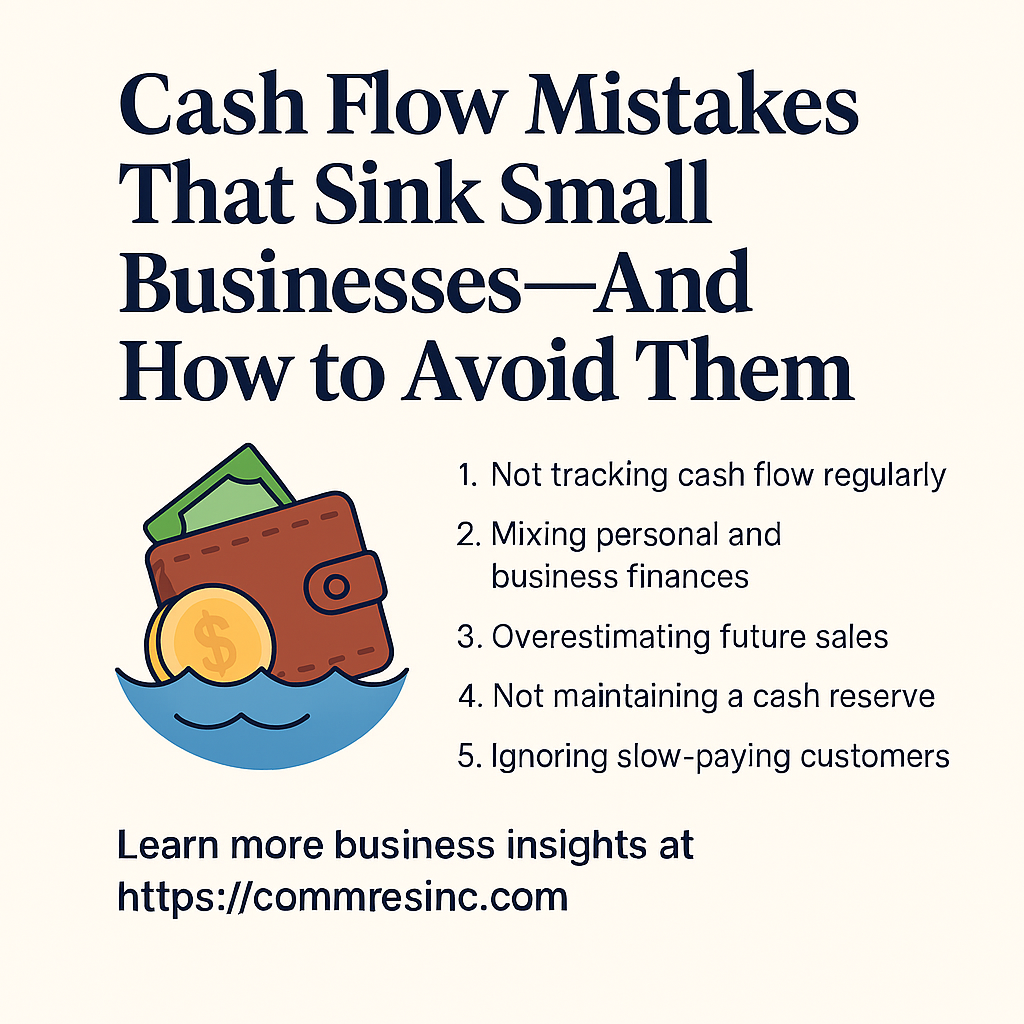
Cash flow is one of the biggest challenges in child care businesses. Some ways to stay stable include:

  • Implementing automated billing and reminders
  • Offering monthly or annual payment plans
  • Requiring deposits to secure enrollment
  • Encouraging autopay for families

Reliable incoming payments allow you to invest in better equipment, training, and staff retention.


2. Maximize Operational Efficiency

Optimize staffing and ratios

Your team is your greatest asset—but also your biggest cost. Balance quality and compliance by:

  • Scheduling staff based on enrollment patterns
  • Cross-training employees for flexible coverage
  • Maintaining state‑required teacher‑child ratios at all times
  • Building a roster of reliable substitutes

Strong staffing strategies directly support safety, compliance, and parent satisfaction.

Invest in systems that simplify daily operations

Modern tools can help reduce administrative workload:

  • Digital attendance tracking
  • Parent communication apps
  • Compliance and safety checklists
  • Electronic accident and incident reports
  • Payroll and time-tracking software

Automating routine tasks leaves more time for instruction and parent engagement.

Prioritize safety and regulatory compliance

Day cares must adhere to strict regulations, including:

  • Building and fire codes
  • Background checks
  • Food service rules
  • Emergency preparedness plans
  • Classroom size and equipment requirements

Regular self-audits can keep your center inspection-ready year-round.


3. Strengthen Marketing and Enrollment

Develop a trustworthy, parent‑friendly brand

Parents choose day care centers based on credibility and connection. Key strategies:

  • Professional website and social media presence
  • Consistent branding across signage, uniforms, and documents
  • High-quality photos and virtual tours
  • Testimonials and word‑of‑mouth referrals

Your online presence often forms your first impression—make it strong.

Create an efficient enrollment pipeline

Commercial Resources can support you in optimizing your facility, but your front‑end enrollment process also matters:

  • Clear enrollment forms
  • Transparent pricing information
  • Guided tours and meet‑the‑teacher opportunities
  • Quick follow‑up with inquiries

A smooth, responsive process converts more prospective families into long‑term clients.


4. Enhance the Child and Parent Experience

Focus on curriculum and enrichment

A high‑quality program differentiates your center. Consider offering:

  • Early literacy and STEM activities
  • Outdoor play and gross‑motor development
  • Music, art, and sensory activities
  • Social‑emotional learning practices

Thoughtful programming builds a reputation that supports enrollment growth.

Prioritize parent communication

Parents value frequent updates on their child’s day. You can build trust through:

  • Daily reports
  • Photos or quick messages
  • Quarterly parent‑teacher conferences
  • Surveys and feedback channels

Consistent communication increases retention and strengthens your community.


5. Plan for Long‑Term Sustainability

Monitor KPIs (key performance indicators)

Track metrics such as:

  • Enrollment vs. capacity
  • Monthly expenses vs. revenue
  • Staff turnover
  • Parent satisfaction
  • Compliance and safety metrics

Data empowers you to make informed decisions.

Invest in facility upgrades

Companies like Commercial Resources can help with:

  • Interior renovations
  • Outdoor play area planning
  • Storage and organizational solutions
  • Classroom layouts that support learning and safety

Strategic improvements enhance both functionality and parent perception.


Conclusion

Building and operating a successful day care center requires balance—between financial management, operational efficiency, regulatory compliance, and high‑quality child care. With thoughtful planning and the right support partners, your center can grow sustainably while providing exceptional care for families in your community.

The Recent Mortgage Rate Drop & What It Means for Commercial Real Estate Buyers

1. A Stunning Dip in Mortgage Rates

In early January 2026, mortgage rates hit their lowest point in nearly three years. The average rate for a 30-year fixed mortgage fell to around 6.0%, down from the mid-6% range seen throughout most of 2025. [cnbc.com], [money.usnews.com]

Experts highlight that a $200 billion bond-buying initiative by Fannie Mae and Freddie Mac significantly drove this decline—projecting a drop of between 25 and 50 basis points. [cnbc.com], [zillow.com], [finance.yahoo.com]

2. Why the Drop Matters for Commercial Buyers

The impact on CRE (Commercial Real Estate) is more immediate and pronounced than in residential markets:

  • Cheaper Debt Service: A slight rate cut can result in substantial savings. For instance, a $50 million loan on an office building could reduce annual debt service by $350,000 to $500,000.
  • Refinancing Relief: With many CRE loans maturing in the coming years, the current rate environment offers a timely chance to refinance at lower costs—boosting debt service coverage ratios and rejuvenating stalled portfolios.
  • Increased Lending & Transactions: Lower rates encourage lenders to offer more capital, and buyers find new acquisitions more financially viable. Several sectors, like multifamily, are already seeing renewed interest.

3. What the Market is Saying

  • A September 2025 rate cut by the Fed lowered the federal funds rate by 25 bps, which, when reflected in Treasury yields, directly benefited CRE loans.
  • Firms like Cushman & Wakefield, Keystones, and JP Morgan underscore that lower Treasury yields, which CRE mortgages are benchmarked on, encourage lenders to compress spreads. This supports cap-rate compression and enhances property values.
  • While cautious voices note potential headwinds—such as sticky long-term yields—most analysts agree the immediate effect is positive for buyers and refinancers.

4. How This Benefits Commercial Real Estate Buyers

  1. Spend Less on Financing:
    Lower interest rates cut monthly debt payments and enhance net operating income (NOI)—redesigning property-level returns favorably. Example: Reducing annual loan costs by $5,000 boosts NOI directly.
  2. Lock in Refinance Opportunities:
    Many CRE loans mature in the next 1–3 years. This window lets owners refinance at current rates, reducing financing costs and freeing up capital.
  3. Boost in Deal Flow:
    Lower borrowing costs entice more buyers and lenders, restarting activity in deals that were previously unprofitable. Multifamily assets are leading this resurgence.
  4. Cap Rate Compression:
    As financing becomes cheaper, buyers are willing to pay more for stable income properties, narrowing the yield spread and raising commercial property prices.
  5. Sector-Specific Gains:
    • Multifamily: Renewed lending, refinancing options, and high demand position it to thrive further.
    • Office & Retail: Those under pressure may stabilize as refinancing eases and lower rates improve property performance.

5. What Buyers Should Do Now

  • Act Quickly on Financing: If refinancing or acquiring property, capture current rates before any reversal.
  • Assess Debt Maturities: CRE owners with loans maturing soon should analyze the benefits of refinancing at these lower rates.
  • Reevaluate Deals: Adjust underwriting assumptions to reflect reduced debt costs and improved yields—projects paused last year may now be viable.
  • Seek Expert Advice: Speak with lenders and advisors to lock in favorable terms using current Treasury benchmarks.
  • Monitor Yields Closely: While rates may stay low or dip slightly, Treasury yields could edge up—staying informed is key.

This recent drop in mortgage rates represents a strategic opportunity for commercial real estate buyers and owners—offering immediate savings, refinancing advantages, refreshed deal pipelines, and improved valuations. Acting now could yield outsized financial gains in this pivotal rate environment.

Smart Strategies for Small Business Financing

Access to financing is one of the biggest challenges small businesses face. Whether you’re launching a startup or expanding operations, understanding your funding options is critical for success.

Why Financing Matters
Proper financing ensures you have the resources to cover operating costs, invest in growth, and weather unexpected challenges.

Top Financing Options for Small Businesses

  1. Traditional Bank Loans
    • Ideal for businesses with strong credit and collateral.
  2. SBA Loans
    • Government-backed loans with favorable terms for small businesses.
  3. Business Lines of Credit
    • Flexible funding for short-term needs.
  4. Equipment Financing
    • Perfect for businesses needing machinery or technology upgrades.
  5. Alternative Lenders
    • Faster approvals, though often at higher interest rates.

Tips for Success

  • Maintain a strong credit profile.
  • Prepare a detailed business plan.
  • Compare multiple lenders for the best terms.

Conclusion
Financing doesn’t have to be overwhelming. By exploring the right options and planning ahead, you can secure the capital your business needs to thrive.

📌 Learn more and get expert guidance at: commresinc.com

Financing Options for the Day Care Industry: A Guide for Entrepreneurs

The child care and day care industry continues to grow as demand for quality early education and care rises. However, starting or expanding a day care center requires significant capital—for facility improvements, licensing, staffing, and equipment. Understanding financing options is crucial for success.


Why Financing Matters

Day care businesses face unique challenges:

  • High upfront costs for property, renovations, and safety compliance.
  • Regulatory requirements that vary by state.
  • Seasonal cash flow fluctuations, especially during holidays or summer breaks.

Access to financing ensures stability and growth while maintaining compliance and quality standards.


Top Financing Solutions

  1. SBA Loans
    • SBA 7(a) Loans: Ideal for purchasing property, refinancing debt, or working capital.
    • SBA 504 Loans: Perfect for real estate and large equipment purchases.
    • Benefits: Lower down payments, longer terms, and competitive interest rates.
  2. Commercial Mortgages
    • For day care centers looking to buy or renovate facilities.
    • Often paired with SBA programs for better terms.
  3. Equipment Financing
    • Covers playground equipment, classroom furniture, and technology.
    • Flexible repayment options tied to equipment lifespan.
  4. Working Capital Loans
    • Helps manage payroll, utilities, and operational expenses during slow seasons.
  5. Alternative Financing
    • Lines of credit, merchant cash advances, or revenue-based financing for quick access to funds.

Tips for Securing Financing

  • Prepare a solid business plan: Include enrollment projections, staffing plans, and compliance strategies.
  • Maintain strong credit: Both personal and business credit scores matter.
  • Show community impact: Highlight how your center supports local families and education.

The Bottom Line

Financing a day care business is more than just securing funds—it’s about building a foundation for long-term success. With the right mix of SBA loans, commercial mortgages, and working capital solutions, entrepreneurs can create safe, nurturing environments for children while ensuring financial stability.