Commercial loans play a vital role in helping businesses expand, manage cash flow, and invest in long‑term assets. Whether you’re upgrading equipment, renovating a facility, or fueling rapid growth, the right financing can give your company the leverage it needs to move forward confidently.
In this post, we break down what commercial loans are, how they work, the most common types, and what businesses should consider before applying.
What Are Commercial Loans?
A commercial loan is a financing product provided to businesses for operational or capital expenditures. Unlike consumer loans, commercial loans are designed specifically for companies and offer tailored terms that align with business needs, cash‑flow patterns, and long‑term strategic goals.
Businesses use commercial loans for:
- Purchasing or renovating property
- Funding equipment or vehicles
- Expanding operations
- Managing short‑term cash flow
- Refinancing existing debt
- Investing in technology or infrastructure
Common Types of Commercial Loans
1. Term Loans
A traditional commercial loan with a set repayment schedule.
Best for: business expansions, major purchases, or predictable long‑term investments.
You receive a lump sum upfront and repay over time with interest.
2. Commercial Real Estate Loans
Used to purchase, refinance, or renovate property.
These loans often have longer terms and competitive interest rates, especially when backed by strong collateral.
3. Equipment Financing
Designed specifically for machinery, vehicles, and specialized equipment.
The equipment itself typically serves as the collateral, making approval more accessible.
4. Lines of Credit
Flexible financing that allows businesses to draw funds as needed.
Ideal for: managing cash flow, covering seasonal dips, or handling unexpected expenses.
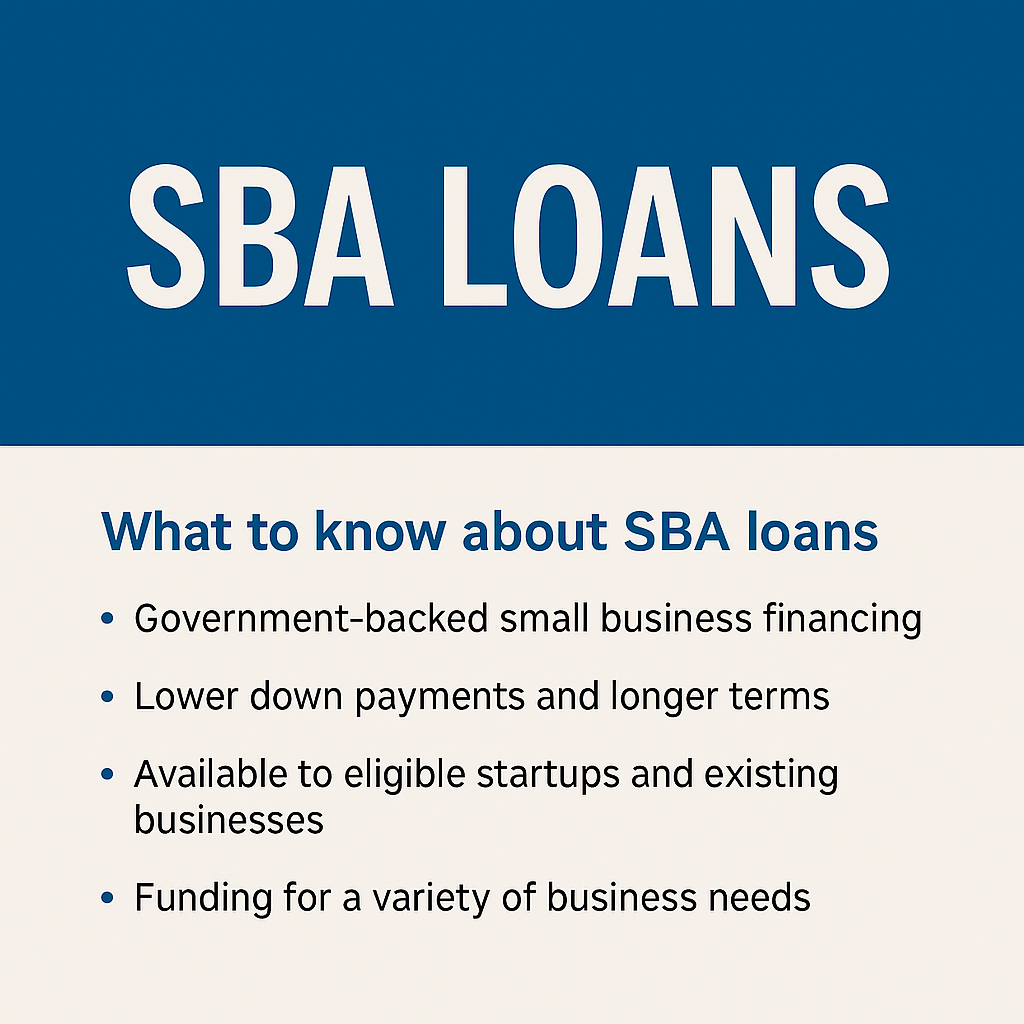
5. SBA Loans (Including 7(a) and 504 Loans)
Government‑backed loans offering low down payments, long terms, and attractive rates.
Great for: real estate, equipment, working capital, and long‑term growth investments.
6. Commercial Bridge Loans
Short‑term financing providing quick capital until long‑term funding is secured.
Often used in real estate or during transitional periods.
Benefits of Commercial Loans
✔ Access to Capital for Growth
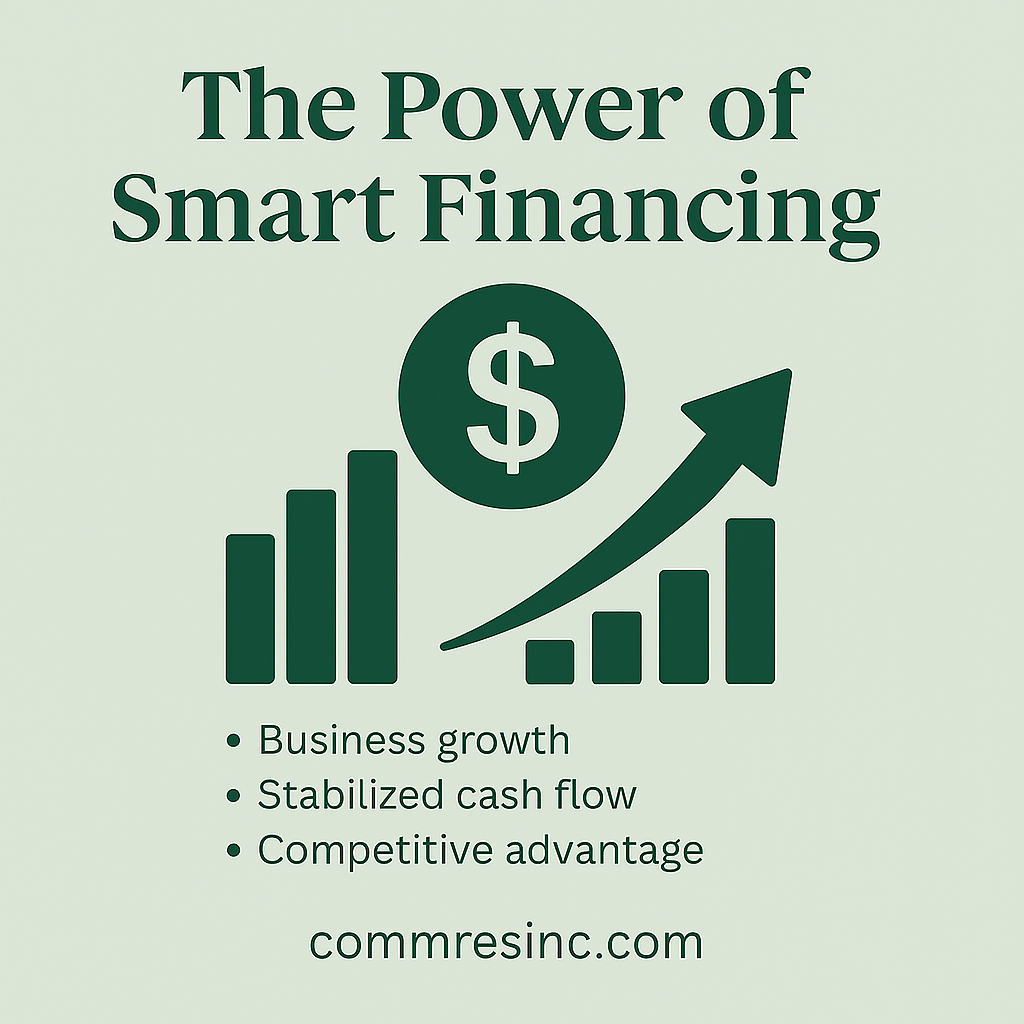
Commercial loans empower businesses to seize opportunities without draining working capital.
✔ Flexible Terms
Lenders often tailor repayment schedules, interest rates, and collateral requirements to fit the business’s financial structure.
✔ Preserve Ownership
Unlike equity financing, loans allow businesses to grow without giving up shares or control.
✔ Build Business Credit
Consistent repayment helps establish strong business credit, unlocking access to larger financing options in the future.
What Lenders Look For
Before approving a commercial loan, lenders typically evaluate:
- Business financial statements
- Cash flow stability
- Credit history (business & personal)
- Collateral value
- Business plan and purpose of funds
- Industry health and risk level
Being prepared with strong documentation significantly increases approval chances.
How to Know Which Loan Is Right for You
Choosing the right type of commercial loan depends on:
- The size and timeline of your project
- The assets you’re purchasing
- Existing debt levels
- Your business’s cash flow
- How quickly you need funding
- Whether you prefer fixed or flexible repayment terms
A strategic financing partner can help assess your needs and guide you toward the best solution.
Final Thoughts
Commercial loans are powerful tools that help businesses scale, modernize, and stay competitive. With the right loan structure, companies can make major investments while protecting day‑to‑day liquidity and maintaining long‑term financial health.
If your business is planning an expansion, equipment upgrade, or property purchase, exploring commercial loan options may be the key to unlocking your next stage of growth.