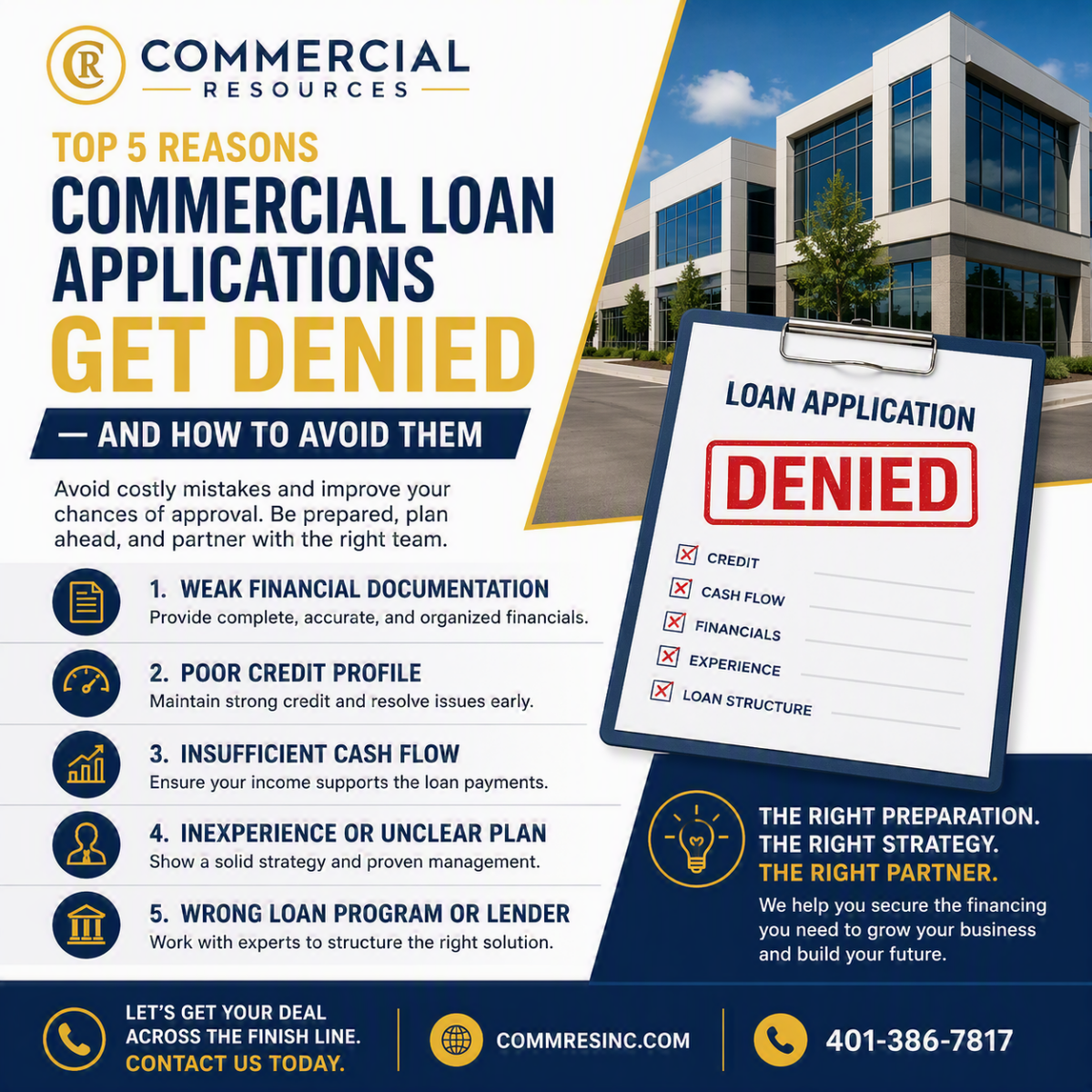
What to Do If Your Business Loan Gets Denied

Getting denied for a business loan can feel like a major setback—but it doesn’t have to stop your progress. Many applications are declined due to fixable issues like credit, cash flow, or documentation. The key is understanding why you were denied and taking the right steps to strengthen your financial profile. With the right approach—and the right lending partner—you can improve your chances and secure the funding your business needs.

The Benefits of Buying an Existing Gas Station: A Smart Path to Profitable Ownership

Buying an existing gas station can be one of the most efficient and profitable ways to enter the fuel and convenience retail industry. Compared to building a station from the ground up, purchasing an established operation offers immediate cash flow, lower startup risk, and access to proven locations with existing customer demand.

For entrepreneurs, investors, and first‑time owners alike, understanding the advantages of buying an existing gas station can help drive smarter acquisition decisions and long‑term success.

Immediate Cash Flow and Proven Revenue

One of the biggest advantages of buying an existing gas station is immediate income. Unlike new construction projects—where revenue may be months or years away—an operational station is already generating sales from fuel, convenience store merchandise, and often additional services like food, car washes, or lottery.

With an established operation, buyers can:

  • Review historical financial statements
  • Analyze real fuel volumes and margins
  • Forecast cash flow with confidence

This financial visibility makes it easier to plan budgets, secure financing, and begin earning returns immediately after closing.

Established Location With Proven Traffic

In the gas station business, location is everything. When you buy an existing gas station, you’re investing in a site that has already proven its value.

An operating station confirms:

  • Consistent traffic patterns
  • Strong visibility and accessibility
  • Long‑term demand in the surrounding area

Instead of guessing whether a new corner or roadway will attract drivers, buyers can evaluate real‑world performance data—significantly reducing risk.

Built‑In Customer Base and Brand Recognition

Most existing gas stations benefit from repeat customers who stop by out of habit, convenience, and trust. This built‑in customer base provides a reliable foundation for ongoing sales and future growth.

Benefits include:

  • Daily transaction volume from loyal customers
  • Opportunities to increase inside‑store purchases
  • A strong platform for promotions, loyalty programs, or rebranding

Even under new ownership or a new brand, the location itself often retains customer familiarity and value.

Operational Systems Already in Place

Buying an existing gas station means acquiring a business with core systems already functioning. These typically include:

  • Point‑of‑sale (POS) systems
  • Fuel supply agreements
  • Vendor and distributor relationships
  • Staffing structures and operational workflows

Rather than building everything from scratch, owners can focus on improving efficiency, reducing shrinkage, and increasing profitability—an especially valuable advantage for first‑time buyers.

Easier Access to Gas Station Financing

Financing is often more accessible when purchasing an established gas station. Lenders prefer investments with a documented financial track record, and an existing operation provides exactly that.

Buyers benefit from:

  • Historical profit and loss statements
  • Verified fuel sales data
  • Lower perceived lender risk

If you’re looking to buy an existing gas station and need help with gas station financing or identifying proven locations, working with experienced professionals is critical. Commercial Resources specializes in helping buyers navigate financing options while identifying profitable gas station opportunities that align with their investment goals.

Reduced Startup and Development Risk

Developing a new gas station involves zoning approvals, environmental reviews, tank installations, permitting, and construction—each carrying potential delays and cost overruns.

An existing gas station already has:

  • Environmental records and compliance history
  • Installed tanks, pumps, and infrastructure
  • Established relationships with regulators

While thorough due diligence is still essential, buying an existing location significantly reduces the uncertainty associated with new development.

Multiple Revenue Streams in One Business

Modern gas stations generate income far beyond fuel sales. Depending on the location, an existing station may already include:

  • Convenience store merchandise
  • Foodservice or coffee programs
  • Car wash operations
  • ATM and lottery commissions

This allows buyers to immediately assess which revenue streams are performing well—and where improvements can drive rapid growth.

Value‑Add Opportunities for Higher Returns

Many gas stations are under‑optimized due to absentee ownership or outdated operating practices. New owners can unlock value by:

  • Renovating the store layout
  • Improving signage and branding
  • Expanding food or beverage offerings
  • Enhancing pricing and inventory strategies

These improvements can quickly increase revenue and significantly raise the long‑term value of the property.

Expert Guidance Makes the Difference

Buying an existing gas station is a major investment, and having the right expertise can help buyers avoid costly mistakes. If you’re searching for gas station locations for sale, need help with financing, or want guidance through the acquisition process, Commercial Resources provides specialized commercial real estate insight focused on gas station and convenience store transactions.

Their experience helps buyers make informed decisions with confidence.

Conclusion: A Faster, Smarter Way to Enter Gas Station Ownership

Buying an existing gas station offers immediate cash flow, proven locations, established operations, and meaningful growth potential. For entrepreneurs and investors looking to enter the fuel and convenience industry efficiently, an established station provides a strong foundation with reduced risk and faster returns.

With solid due diligence and experienced guidance, purchasing an existing gas station can be both a profitable business and a long‑term investment opportunity.

Why Refinancing an SBA 7(a) Adjustable‑Rate Loan with an SBA 504 Refinance Makes Strategic Sense

Many business owners secured SBA 7(a) loans at a time when interest rates were historically low. Today, those same loans—often structured with adjustable rates—are becoming increasingly expensive as rates fluctuate upward. For companies that value predictable cash flow and long‑term stability, this creates an important question:

Is there a better financing structure for the long haul?

For owner‑occupied commercial real estate, the answer is often yes—and it comes in the form of an SBA 504 refinance.

The Challenge with Adjustable‑Rate SBA 7(a) Loans

SBA 7(a) loans are flexible and widely used, but many are tied to the Prime Rate and adjust periodically. As interest rates rise, borrowers can experience:

  • Increasing and unpredictable monthly payments
  • Higher overall interest expense
  • Reduced cash flow for operations or growth
  • Limited long‑term budgeting certainty

For businesses that rely on steady financial planning, these variables can introduce unnecessary risk.

How the SBA 504 Refinance Differs

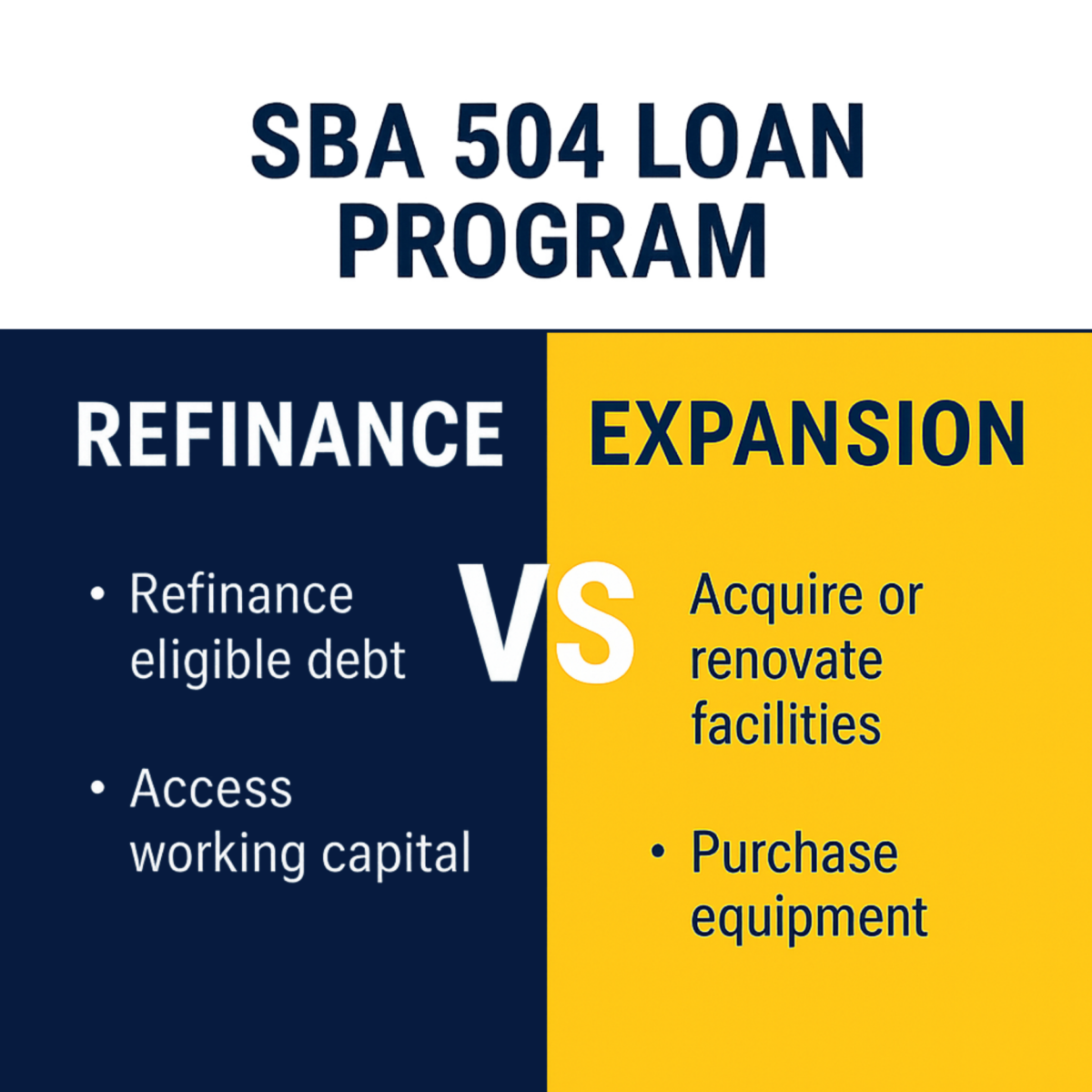
The SBA 504 refinance program is designed specifically for long‑term assets like owner‑occupied commercial real estate. Its defining feature is long‑term, fixed‑rate financing, which contrasts sharply with the variable nature of most 7(a) loans.

A typical 504 refinance structure includes:

  • A bank loan (usually 50%)
  • An SBA‑backed debenture (up to 40%) with a fixed interest rate
  • As little as 10% borrower equity

This structure allows businesses to replace uncertainty with stability.

Key Benefits of Refinancing into an SBA 504

Long‑Term Rate Stability

SBA 504 debentures offer fixed rates for 20 or 25 years, helping business owners insulate themselves from future rate increases. This predictability supports more confident long‑term planning.

Improved Cash Flow

By refinancing into a longer, fixed amortization, many businesses can reduce monthly debt service, freeing up cash for working capital, staffing, or reinvestment.

Efficient Use of Capital

Because the SBA 504 program typically requires no additional cash beyond standard equity levels, borrowers can preserve liquidity rather than tying up funds in refinancing costs.

A Structure Designed for Real Estate Ownership

For businesses that occupy at least 51% of their building, the SBA 504 refinance aligns financing terms with the reality of owning and operating commercial property—long‑term, stable, and growth‑oriented.

When an SBA 504 Refinance Is Worth Exploring

An SBA 504 refinance may be a strong fit if:

  • Your current SBA 7(a) loan has a variable rate
  • The loan is secured by owner‑occupied commercial real estate
  • Rising payments are impacting cash flow
  • You plan to remain in the property long term
  • Your business demonstrates stable financial performance

Even if your existing loan is relatively new, it may still be worth evaluating your options in today’s rate environment.

A Strategic Approach to Long‑Term Financing

At Commercial Resources, we view financing as more than a transaction—it’s a tool that should support your business strategy. Refinancing a variable‑rate SBA 7(a) loan into a fixed‑rate SBA 504 structure can help reduce risk, enhance predictability, and strengthen your financial foundation over time.

For business owners navigating today’s interest‑rate landscape, the right refinancing decision can make a meaningful difference for years to come.

Cash Flow 101: What Every Small Business Owner Must Understand

Managing cash flow is one of the most essential skills for any small business owner. Even profitable businesses can struggle — or fail — if cash isn’t flowing in at the right time. Understanding how money moves in and out of your business gives you the power to plan, grow, and stay resilient during slow seasons or unexpected expenses.

What Is Cash Flow?

Cash flow is the movement of money into (inflows) and out of (outflows) your business.

  • Positive cash flow means more money is coming in than going out — ideal for stability and growth.
  • Negative cash flow means you have more expenses than revenue during a given period — a warning sign that requires quick action.

Even if revenue looks strong on paper, delayed payments, rising expenses, or seasonal demand can leave your bank account depleted.

Why Cash Flow Matters More Than Profit

You can be profitable without being cash‑flow positive.

For example:
You might land a big contract, but if the customer doesn’t pay for 60 days and you need to cover payroll tomorrow, you have a cash flow problem — not a profitability problem.

Cash flow directly affects your ability to:

  • Pay employees and vendors
  • Cover rent, utilities, and supplies
  • Invest in equipment or marketing
  • Take advantage of growth opportunities
  • Weather slow months without panic

Profit is long‑term.
Cash flow is day‑to‑day survival.

The Three Types of Cash Flow

Understanding where your cash comes from helps identify strengths and risks.

1. Operating Cash Flow

Everyday business activities: sales, services, vendor payments, wages, taxes.

2. Investing Cash Flow

Buying or selling long‑term assets: equipment, vehicles, property.

3. Financing Cash Flow

Loans, credit lines, owner investments, or dividend payouts.

Operating cash flow is the heartbeat of your business. If it’s consistently negative, something fundamental must change.

How to Improve Your Cash Flow

Here are practical steps you can implement immediately:

1. Speed Up Your Inflows

  • Invoice promptly and clearly
  • Offer early‑payment incentives
  • Accept multiple payment methods
  • Require deposits or partial payments for large projects

2. Slow Down Your Outflows

  • Negotiate better terms with vendors
  • Schedule payments closer to due dates
  • Reduce unnecessary recurring expenses

3. Monitor Your Cash Flow Weekly

Weekly reviews prevent surprises. Look for patterns:

  • Which months are slow?
  • Which expenses keep creeping up?
  • Are customers paying later than before?

4. Build a Cash Cushion

Aim for at least 1–3 months of operating expenses in reserve.
This buffer protects you from late payments or seasonal dips.

5. Use a Cash Flow Forecast

Project your cash position 30, 60, and 90 days ahead.
This helps you anticipate shortages before they hit.

Common Cash Flow Mistakes (and How to Avoid Them)

Counting sales before cash arrives

✔ Track real deposits — not promised payments.

Not budgeting for taxes

✔ Create a tax savings account and set aside a percentage of every sale.

Over‑ordering inventory

✔ Keep inventory levels aligned with real demand.

Ignoring rising expenses

✔ Audit subscriptions, service fees, and supply costs quarterly.

Not separating personal and business finances

✔ Use separate accounts so cash flow is easy to track and analyze.

Tools That Help You Track Cash Flow

  • Accounting software with dashboards (QuickBooks, Xero, Wave)
  • Cash flow forecasting apps
  • Business banking accounts with built‑in analytics
  • Simple spreadsheets for weekly check‑ins

The tool matters less than consistency.

Final Thoughts

Mastering cash flow isn’t just good financial practice — it’s a competitive advantage. Businesses that understand and monitor cash flow run more smoothly, make better decisions, and stay strong even during unpredictable times.

Whether you’re brand new or growing fast, cash flow is the foundation. When you manage it well, everything else becomes easier.

How to Evaluate Commercial Real Estate Attached to a Business Sale

Buying a business that includes commercial real estate can be one of the most profitable long‑term investment decisions you make. Not only do you acquire a revenue‑generating company, but you also secure the land and building that support the business—often increasing stability, value, and future cash‑flow potential. To make a smart purchase, buyers must learn how to evaluate commercial real estate when buying a business with confidence and accuracy.

Below are the essential factors every buyer should examine during the due‑diligence process.

1. Analyze the Building’s Condition

Before you finalize any purchase, evaluate the physical condition of the property. A commercial inspection should include:

  • Roof, HVAC, plumbing, electrical
  • Structural integrity
  • Safety systems (fire alarms, sprinklers)
  • Parking lots and exterior grading
  • Accessibility compliance (ADA)

Deferred maintenance or upcoming major repairs can significantly affect the deal—and may be used to negotiate a lower purchase price.

2. Review Zoning and Permitted Use

Zoning restrictions can support or block business operations. Confirm:

  • The current zoning category
  • Permitted and conditional uses
  • Whether expansion or renovation is allowed
  • Parking requirements
  • Noise or signage restrictions

If the business model depends on expansion, outdoor operations, or extended hours, zoning compatibility is non‑negotiable.

3. Evaluate Location and Market Strength

Commercial real estate value is heavily influenced by location. Consider:

  • Traffic counts and visibility
  • Surrounding residential or commercial growth
  • Nearby anchor tenants
  • Access to highways or major roads
  • Local competition

A strong location boosts both business performance and property appreciation.

4. Understand Income Potential

When the property includes tenants—or has space that could be leased out—buyers should evaluate the real estate as an income‑producing asset. Key metrics include:

  • Current leases and rent amounts
  • Tenant quality and stability
  • Market rent comparisons
  • Net Operating Income (NOI)
  • Vacancy rates
  • Lease expiration dates and renewal terms

This is especially important for retail plazas, warehouses, or mixed‑use buildings.

5. Consider Environmental and Compliance Issues

Environmental problems can create major liability. Depending on the business type, you may need:

  • Phase I environmental site assessment
  • Soil testing (especially for gas stations, auto shops, dry cleaners)
  • Compliance review for hazardous materials
  • Fire inspection reports
  • Health department permits

Issues uncovered here should be addressed before closing.

6. Examine Property Valuation Methods

Commercial real estate can be valued using several approaches:

  • Market Comparison Approach – based on recent sales of similar properties.
  • Income Approach – based on income the property generates.
  • Cost Approach – replacement cost minus depreciation.

A professional appraisal is essential when financing through SBA or conventional lenders.

7. Review How the Real Estate Impacts Financing

Buying a business with real estate opens additional financing opportunities:

  • SBA 504 loans for building + equipment
  • SBA 7(a) loans for business + real estate together
  • Conventional commercial mortgages

Real estate often improves loan approval odds because lenders view it as stronger collateral.

Final Thoughts

Knowing how to evaluate commercial real estate when buying a business ensures that you protect your investment, negotiate intelligently, and maximize your return. With proper due diligence, buyers can acquire not just a business—but a long‑term real estate asset that continues to appreciate and generate wealth.