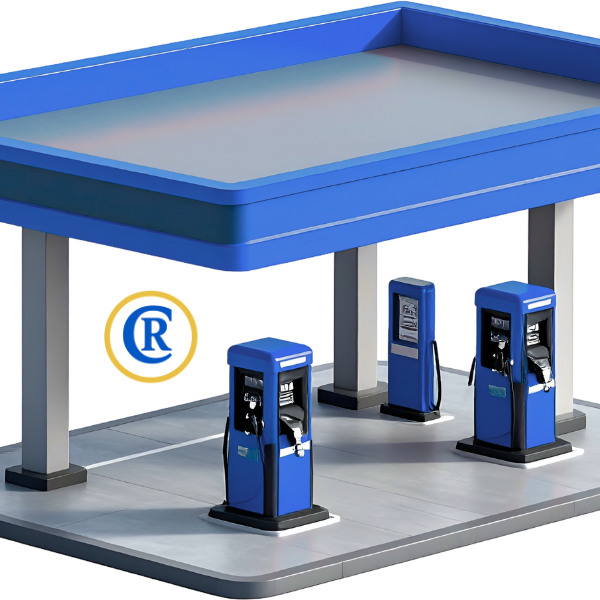
Small Business Financing for Gas Stations: What Owners Need to Know in 2026

The gas station and convenience store industry continues to evolve quickly. Between shifting consumer habits, the rise of hybrid fueling models, and new federal incentives for site modernization, 2026 is shaping up to be one of the most important years for gas station owners seeking financing.

Whether you’re purchasing your first location or upgrading an existing site, understanding today’s lending environment is critical. At Commercial Resources, we specialize in matching gas station operators with competitive and flexible financing solutions designed specifically for the industry.

Here’s what gas station owners and buyers should know in 2026.


The Gas Station Market in 2026: What’s Driving Demand

Several trends are influencing how lenders approach gas station financing this year:

1. Modernization Is Increasingly Essential

Lenders in 2026 favor stations investing in:

  • Updated POS and security systems
  • Modern pumps and EMV compliance
  • Larger C‑stores and quick-service food
  • EV charging integration
  • Tank replacements and environmental upgrades

Sites with updated infrastructure tend to receive stronger approval terms and higher valuations.

2. Continued Shift Toward Multi‑Revenue Models

Gas stations have become more than fuel stops. Strong performers combine:

  • C‑store retail
  • Food and beverage offerings
  • Car washes
  • Propane, diesel, or alternative fuel
  • EV charging stations

Lenders are now evaluating stations as multi-stream businesses, not just fuel sites — which opens the door to better financing options.

3. Higher Competition for Acquisition

With many independent owners retiring and large operators expanding, 2026 is seeing increased acquisition activity. Financing needs to be fast, competitive, and structured by a partner who understands the complexities of gas station deals.


Best Financing Options for Gas Station Owners in 2026

1. SBA 7(a) Loans

Still the most flexible and popular choice for acquisitions, the SBA 7(a) program in 2026 offers:

  • Lower equity injection requirements
  • Longer terms for business and real estate
  • Competitive interest rates
  • Financing for goodwill, inventory, equipment, and working capital

Perfect for new buyers or operators growing their portfolio.

2. SBA 504 Loans

Ideal for gas stations with land or major construction needs, offering:

  • Long-term fixed rates
  • Attractive down payments
  • Strong support for modernization projects

This remains a top option for owners adding C‑store expansions or significant site upgrades.

3. Conventional Gas Station Loans

In 2026, conventional loans are more widely available for established operators. Benefits include:

  • Larger loan amounts
  • Faster underwriting
  • More flexible structures
  • Ideal for multi-location operators

These are favored by borrowers with strong financials and stable revenue.

4. Working Capital & Equipment Financing

Gas station owners continue to seek capital for:

  • Pump replacements
  • New canopy or signage
  • Software and POS modernization
  • Car wash equipment
  • EV charging installation
  • Inventory and operational support

Short‑term and equipment financing can provide immediate improvements without long-term commitments.


What Lenders Focus On in 2026

Lender priorities haven’t disappeared — they’ve intensified. Expect focus on:

  • Fuel volume trends (3–5 year history)
  • C‑store and retail mix performance
  • Supplier and fuel contract terms
  • Environmental reports (Phase I and Phase II)
  • Borrower credit strength and experience
  • EV-readiness and modernization potential
  • Location demand and traffic patterns

Stations with stable financials and modern infrastructure continue to secure the best terms.


Why Gas Station Owners Choose Commercial Resources

At Commercial Resources, we work directly with lenders who understand the complexities of gas station financing in today’s environment. Our clients benefit from:

What Sets Us Apart in 2026

  • Deep experience in gas station, C‑store, and car wash financing
  • Access to lenders who specialize in fuel and retail properties
  • Faster approvals with cleaner underwriting
  • Competitive rates and flexible terms
  • Personalized guidance through environmental, appraisal, and SBA requirements

Whether you’re expanding, upgrading a site, or acquiring a new location, we help you secure financing aligned with your goals.

A Practical Guide to Hotel Financing

Hotel financing is a specialized area of commercial real estate lending that reflects the unique operational and market risks of the hospitality industry. Unlike office buildings or multifamily properties, hotels rely heavily on daily occupancy, brand strength, location, and management performance. As a result, lenders evaluate hotel projects differently—and borrowers must be prepared to meet higher underwriting standards.

This article explores the fundamentals of hotel financing, common loan structures, key underwriting factors, and strategies for improving financing outcomes.


Understanding Hotel Financing

Hotel financing refers to the capital used to acquire, develop, renovate, or refinance hospitality properties such as hotels, motels, and resorts. Financing can be secured through traditional banks, commercial mortgage-backed securities (CMBS), private lenders, government‑backed programs, and equity investors.

Because hotel revenue fluctuates daily and is highly sensitive to economic cycles, lenders typically view hotels as higher‑risk assets. This risk profile influences loan terms, interest rates, leverage limits, and required borrower experience.


Common Types of Hotel Financing

1. Acquisition Financing

Used to purchase an existing hotel, acquisition loans typically require detailed historical operating data, including occupancy rates, average daily rate (ADR), and revenue per available room (RevPAR). Lenders will assess property condition, brand affiliation, and local market performance.

2. Construction and Development Loans

Financing a ground‑up hotel development is more complex and often involves multiple capital sources. Construction loans are usually short‑term, interest‑only, and require significant equity contributions—often 25% to 40% of total project costs. Lenders favor experienced developers and strong brand backing.

3. Renovation and PIP Financing

Many branded hotels require Property Improvement Plan (PIP) upgrades to maintain franchise agreements. Renovation loans may be structured as standalone financing or combined with refinancing, depending on scope and borrower strength.

4. Refinancing

Hotel owners may refinance to lower interest rates, pull out equity, or restructure debt. Refinancing often depends on stabilized cash flow, consistent operating history, and improved market conditions.


Key Underwriting Factors

Lenders evaluate hotel financing requests using a combination of financial, operational, and market‑based criteria:

Cash Flow and Performance Metrics

Metrics such as Net Operating Income (NOI), RevPAR, occupancy, and ADR are critical. Lenders typically stress cash flows to account for volatility.

Loan‑to‑Value (LTV) Ratios

Hotel loans generally carry lower LTVs than other property types, often ranging from 55% to 70%, depending on deal strength.

Debt Service Coverage Ratio (DSCR)

A DSCR of 1.30x or higher is commonly required, though this can vary by lender and market.

Sponsor Experience

Borrowers with proven hotel ownership or management experience are significantly more attractive to lenders.

Brand and Management

Affiliation with a recognized hotel brand and the use of an experienced management company can materially improve financing terms.


Financing Sources for Hotels

Traditional Banks

Banks offer competitive pricing but tend to be conservative, favoring stabilized assets in strong markets.

Private and Debt Funds

Private lenders provide greater flexibility, higher leverage, and faster execution—often at higher interest rates.

CMBS Lenders

CMBS loans can offer non‑recourse financing with longer terms but involve complex structures and less flexibility.

Government‑Backed Programs

Programs such as SBA 504 or 7(a) loans may be available for owner‑operated hotels, particularly for smaller properties.

Equity Partners

When debt alone is insufficient, developers may bring in equity partners or joint‑venture investors to complete capitalization.


Improving Financing Outcomes

Hotel owners and developers can strengthen financing prospects by:

  • Preparing detailed financial projections and feasibility studies
  • Demonstrating strong sponsorship and operational expertise
  • Securing brand approval early in the process
  • Investing adequate equity upfront
  • Working with brokers or advisors who specialize in hospitality finance

Early planning and realistic assumptions are essential, particularly in volatile or developing markets.


Conclusion

Hotel financing requires a careful balance between risk management and growth opportunity. Because hospitality assets behave differently than other commercial properties, borrowers must understand lender expectations and structure their projects accordingly. With strong fundamentals, experienced sponsorship, and thoughtful capitalization, hotel financing can support both short‑term development goals and long‑term investment success.

Smart Strategies for Small Business Financing

Access to financing is one of the biggest challenges small businesses face. Whether you’re launching a startup or expanding operations, understanding your funding options is critical for success.

Why Financing Matters
Proper financing ensures you have the resources to cover operating costs, invest in growth, and weather unexpected challenges.

Top Financing Options for Small Businesses

  1. Traditional Bank Loans
    • Ideal for businesses with strong credit and collateral.
  2. SBA Loans
    • Government-backed loans with favorable terms for small businesses.
  3. Business Lines of Credit
    • Flexible funding for short-term needs.
  4. Equipment Financing
    • Perfect for businesses needing machinery or technology upgrades.
  5. Alternative Lenders
    • Faster approvals, though often at higher interest rates.

Tips for Success

  • Maintain a strong credit profile.
  • Prepare a detailed business plan.
  • Compare multiple lenders for the best terms.

Conclusion
Financing doesn’t have to be overwhelming. By exploring the right options and planning ahead, you can secure the capital your business needs to thrive.

📌 Learn more and get expert guidance at: commresinc.com