
The Benefits of Buying an Existing Gas Station: A Smart Path to Profitable Ownership

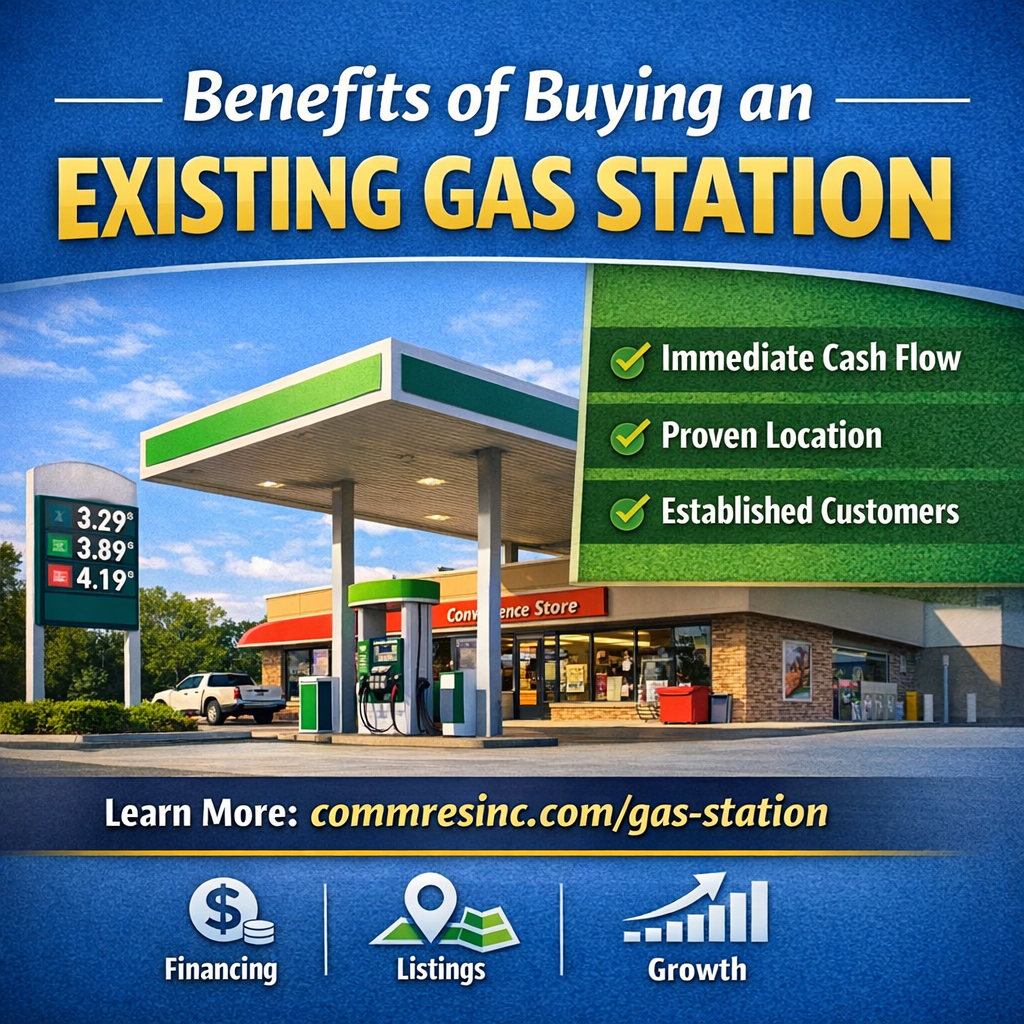
Buying an existing gas station can be one of the most efficient and profitable ways to enter the fuel and convenience retail industry. Compared to building a station from the ground up, purchasing an established operation offers immediate cash flow, lower startup risk, and access to proven locations with existing customer demand.
For entrepreneurs, investors, and first‑time owners alike, understanding the advantages of buying an existing gas station can help drive smarter acquisition decisions and long‑term success.
Immediate Cash Flow and Proven Revenue
One of the biggest advantages of buying an existing gas station is immediate income. Unlike new construction projects—where revenue may be months or years away—an operational station is already generating sales from fuel, convenience store merchandise, and often additional services like food, car washes, or lottery.
With an established operation, buyers can:
- Review historical financial statements
- Analyze real fuel volumes and margins
- Forecast cash flow with confidence
This financial visibility makes it easier to plan budgets, secure financing, and begin earning returns immediately after closing.
Established Location With Proven Traffic
In the gas station business, location is everything. When you buy an existing gas station, you’re investing in a site that has already proven its value.
An operating station confirms:
- Consistent traffic patterns
- Strong visibility and accessibility
- Long‑term demand in the surrounding area
Instead of guessing whether a new corner or roadway will attract drivers, buyers can evaluate real‑world performance data—significantly reducing risk.
Built‑In Customer Base and Brand Recognition
Most existing gas stations benefit from repeat customers who stop by out of habit, convenience, and trust. This built‑in customer base provides a reliable foundation for ongoing sales and future growth.
Benefits include:
- Daily transaction volume from loyal customers
- Opportunities to increase inside‑store purchases
- A strong platform for promotions, loyalty programs, or rebranding
Even under new ownership or a new brand, the location itself often retains customer familiarity and value.
Operational Systems Already in Place
Buying an existing gas station means acquiring a business with core systems already functioning. These typically include:
- Point‑of‑sale (POS) systems
- Fuel supply agreements
- Vendor and distributor relationships
- Staffing structures and operational workflows
Rather than building everything from scratch, owners can focus on improving efficiency, reducing shrinkage, and increasing profitability—an especially valuable advantage for first‑time buyers.
Easier Access to Gas Station Financing
Financing is often more accessible when purchasing an established gas station. Lenders prefer investments with a documented financial track record, and an existing operation provides exactly that.
Buyers benefit from:
- Historical profit and loss statements
- Verified fuel sales data
- Lower perceived lender risk
If you’re looking to buy an existing gas station and need help with gas station financing or identifying proven locations, working with experienced professionals is critical. Commercial Resources specializes in helping buyers navigate financing options while identifying profitable gas station opportunities that align with their investment goals.
Reduced Startup and Development Risk
Developing a new gas station involves zoning approvals, environmental reviews, tank installations, permitting, and construction—each carrying potential delays and cost overruns.
An existing gas station already has:
- Environmental records and compliance history
- Installed tanks, pumps, and infrastructure
- Established relationships with regulators
While thorough due diligence is still essential, buying an existing location significantly reduces the uncertainty associated with new development.
Multiple Revenue Streams in One Business
Modern gas stations generate income far beyond fuel sales. Depending on the location, an existing station may already include:
- Convenience store merchandise
- Foodservice or coffee programs
- Car wash operations
- ATM and lottery commissions
This allows buyers to immediately assess which revenue streams are performing well—and where improvements can drive rapid growth.
Value‑Add Opportunities for Higher Returns
Many gas stations are under‑optimized due to absentee ownership or outdated operating practices. New owners can unlock value by:
- Renovating the store layout
- Improving signage and branding
- Expanding food or beverage offerings
- Enhancing pricing and inventory strategies
These improvements can quickly increase revenue and significantly raise the long‑term value of the property.
Expert Guidance Makes the Difference
Buying an existing gas station is a major investment, and having the right expertise can help buyers avoid costly mistakes. If you’re searching for gas station locations for sale, need help with financing, or want guidance through the acquisition process, Commercial Resources provides specialized commercial real estate insight focused on gas station and convenience store transactions.
Their experience helps buyers make informed decisions with confidence.
Conclusion: A Faster, Smarter Way to Enter Gas Station Ownership
Buying an existing gas station offers immediate cash flow, proven locations, established operations, and meaningful growth potential. For entrepreneurs and investors looking to enter the fuel and convenience industry efficiently, an established station provides a strong foundation with reduced risk and faster returns.
With solid due diligence and experienced guidance, purchasing an existing gas station can be both a profitable business and a long‑term investment opportunity.