A Practical Guide to Hotel Financing

Hotel financing is a specialized area of commercial real estate lending that reflects the unique operational and market risks of the hospitality industry. Unlike office buildings or multifamily properties, hotels rely heavily on daily occupancy, brand strength, location, and management performance. As a result, lenders evaluate hotel projects differently—and borrowers must be prepared to meet higher underwriting standards.

This article explores the fundamentals of hotel financing, common loan structures, key underwriting factors, and strategies for improving financing outcomes.


Understanding Hotel Financing

Hotel financing refers to the capital used to acquire, develop, renovate, or refinance hospitality properties such as hotels, motels, and resorts. Financing can be secured through traditional banks, commercial mortgage-backed securities (CMBS), private lenders, government‑backed programs, and equity investors.

Because hotel revenue fluctuates daily and is highly sensitive to economic cycles, lenders typically view hotels as higher‑risk assets. This risk profile influences loan terms, interest rates, leverage limits, and required borrower experience.


Common Types of Hotel Financing

1. Acquisition Financing

Used to purchase an existing hotel, acquisition loans typically require detailed historical operating data, including occupancy rates, average daily rate (ADR), and revenue per available room (RevPAR). Lenders will assess property condition, brand affiliation, and local market performance.

2. Construction and Development Loans

Financing a ground‑up hotel development is more complex and often involves multiple capital sources. Construction loans are usually short‑term, interest‑only, and require significant equity contributions—often 25% to 40% of total project costs. Lenders favor experienced developers and strong brand backing.

3. Renovation and PIP Financing

Many branded hotels require Property Improvement Plan (PIP) upgrades to maintain franchise agreements. Renovation loans may be structured as standalone financing or combined with refinancing, depending on scope and borrower strength.

4. Refinancing

Hotel owners may refinance to lower interest rates, pull out equity, or restructure debt. Refinancing often depends on stabilized cash flow, consistent operating history, and improved market conditions.


Key Underwriting Factors

Lenders evaluate hotel financing requests using a combination of financial, operational, and market‑based criteria:

Cash Flow and Performance Metrics

Metrics such as Net Operating Income (NOI), RevPAR, occupancy, and ADR are critical. Lenders typically stress cash flows to account for volatility.

Loan‑to‑Value (LTV) Ratios

Hotel loans generally carry lower LTVs than other property types, often ranging from 55% to 70%, depending on deal strength.

Debt Service Coverage Ratio (DSCR)

A DSCR of 1.30x or higher is commonly required, though this can vary by lender and market.

Sponsor Experience

Borrowers with proven hotel ownership or management experience are significantly more attractive to lenders.

Brand and Management

Affiliation with a recognized hotel brand and the use of an experienced management company can materially improve financing terms.


Financing Sources for Hotels

Traditional Banks

Banks offer competitive pricing but tend to be conservative, favoring stabilized assets in strong markets.

Private and Debt Funds

Private lenders provide greater flexibility, higher leverage, and faster execution—often at higher interest rates.

CMBS Lenders

CMBS loans can offer non‑recourse financing with longer terms but involve complex structures and less flexibility.

Government‑Backed Programs

Programs such as SBA 504 or 7(a) loans may be available for owner‑operated hotels, particularly for smaller properties.

Equity Partners

When debt alone is insufficient, developers may bring in equity partners or joint‑venture investors to complete capitalization.


Improving Financing Outcomes

Hotel owners and developers can strengthen financing prospects by:

  • Preparing detailed financial projections and feasibility studies
  • Demonstrating strong sponsorship and operational expertise
  • Securing brand approval early in the process
  • Investing adequate equity upfront
  • Working with brokers or advisors who specialize in hospitality finance

Early planning and realistic assumptions are essential, particularly in volatile or developing markets.


Conclusion

Hotel financing requires a careful balance between risk management and growth opportunity. Because hospitality assets behave differently than other commercial properties, borrowers must understand lender expectations and structure their projects accordingly. With strong fundamentals, experienced sponsorship, and thoughtful capitalization, hotel financing can support both short‑term development goals and long‑term investment success.
The Power of Small Business: How Local Companies Drive Big Impact

Small businesses are the heartbeat of the American economy. While large corporations often dominate the headlines, it’s the locally owned shops, service providers, contractors, and niche specialists who shape communities, create jobs, and keep local economies moving. For organizations like Commercial Resources Inc., which support businesses through facility services, repairs, and commercial maintenance, understanding the needs and challenges of small business owners is essential.

Below are some valuable insights small business owners can use to stay competitive, strengthen operations, and grow with confidence.


1. Small Businesses Create Real Community Value

Small businesses provide more than just products or services—they offer connection, familiarity, and accessibility. Customers often choose local providers because they value trust and personalized service. For service‑based businesses—like contractors, maintenance teams, and commercial trade professionals—that personal reputation is everything.

Why this matters:

  • Local businesses reinvest money in their own community.
  • They build long‑term relationships with customers and other local companies.
  • Being small makes it easier to pivot quickly, adapt, and innovate.

2. Operational Efficiency Is a Superpower

In a small business, every dollar matters. Improving operational efficiency doesn’t require enterprise‑level tools—it starts with tightening processes and partnering with reliable vendors.

Ways businesses can improve efficiency:

  • Streamline scheduling and maintenance with digital tools.
  • Outsource specialized work instead of taking on extra overhead.
  • Build relationships with trusted commercial service providers for faster response times.

Companies like Commercial Resources Inc. help small businesses stay focused on what they do best by handling complex facility or property needs in the background.


3. Preventive Maintenance Saves Time and Money

Many small businesses operate reactively—waiting for something to go wrong before fixing it. But preventive maintenance can significantly reduce downtime and emergency repair costs.

Key advantages of staying proactive:

  • Fewer unexpected disruptions
  • Longer lifespan for equipment and facilities
  • Better budgeting with predictable maintenance costs

For example, a small retail shop that schedules routine electrical, plumbing, and HVAC checks will spend far less than one who waits for breakdowns.


4. Technology Levels the Playing Field

Small businesses don’t need huge budgets to use technology to their advantage. Even simple digital tools can help owners run more efficiently.

Examples include:

  • Online booking systems
  • Automated invoicing
  • Inventory alerts
  • Customer communication platforms

These tools allow small businesses to compete with larger organizations by offering convenient, reliable, modern service.


5. Strong Vendor Partnerships Can Fuel Growth

Many small businesses grow faster when they collaborate with trusted service partners instead of trying to manage everything internally.

The right partner can:

  • Reduce costs
  • Improve service quality
  • Provide expertise that small teams may not have in-house
  • Support expansion by handling facilities and operational needs

Whether you’re running a restaurant, small office, retail space, or service company, a dependable commercial services partner keeps operations running smoothly so you can focus on your customers.

Running a Day Care Business

Financial and Operational Tips for Success

Running a day care is more than providing a safe space for children—it’s a complex business with operational, regulatory, and financial responsibilities. Whether you’re launching a new center or optimizing an established one, strong planning and efficient systems can significantly improve your long‑term sustainability. Below are actionable strategies to strengthen your day care business from the inside out.


1. Build a Strong Financial Foundation

Create a realistic startup and operating budget

A successful day care requires careful financial forecasting. Your budget should include:

  • Licensing and certification fees
  • Rent or mortgage on commercial space
  • Utilities and insurance
  • Classroom supplies, furniture, and safety equipment
  • Payroll for teachers, aides, administrators, and substitutes
  • Food and cleaning supplies
  • Technology costs (POS systems, parent communication apps, software)

Understanding these expenses upfront helps you price your services correctly and avoid unexpected cash-flow issues.

Set sustainable tuition and fee structures

Your pricing should reflect:

  • Local market competition
  • Staff-to-child ratios
  • Program offerings (full day, half day, after‑school, enrichment programs)
  • Operational overhead
  • Desired profit margin

To protect your center’s financial health, consider offering tiered pricing, annual registration fees, and sibling discounts that encourage multi-child enrollment.

Maintain steady cash flow

Cash flow is one of the biggest challenges in child care businesses. Some ways to stay stable include:

  • Implementing automated billing and reminders
  • Offering monthly or annual payment plans
  • Requiring deposits to secure enrollment
  • Encouraging autopay for families

Reliable incoming payments allow you to invest in better equipment, training, and staff retention.


2. Maximize Operational Efficiency

Optimize staffing and ratios

Your team is your greatest asset—but also your biggest cost. Balance quality and compliance by:

  • Scheduling staff based on enrollment patterns
  • Cross-training employees for flexible coverage
  • Maintaining state‑required teacher‑child ratios at all times
  • Building a roster of reliable substitutes

Strong staffing strategies directly support safety, compliance, and parent satisfaction.

Invest in systems that simplify daily operations

Modern tools can help reduce administrative workload:

  • Digital attendance tracking
  • Parent communication apps
  • Compliance and safety checklists
  • Electronic accident and incident reports
  • Payroll and time-tracking software

Automating routine tasks leaves more time for instruction and parent engagement.

Prioritize safety and regulatory compliance

Day cares must adhere to strict regulations, including:

  • Building and fire codes
  • Background checks
  • Food service rules
  • Emergency preparedness plans
  • Classroom size and equipment requirements

Regular self-audits can keep your center inspection-ready year-round.


3. Strengthen Marketing and Enrollment

Develop a trustworthy, parent‑friendly brand

Parents choose day care centers based on credibility and connection. Key strategies:

  • Professional website and social media presence
  • Consistent branding across signage, uniforms, and documents
  • High-quality photos and virtual tours
  • Testimonials and word‑of‑mouth referrals

Your online presence often forms your first impression—make it strong.

Create an efficient enrollment pipeline

Commercial Resources can support you in optimizing your facility, but your front‑end enrollment process also matters:

  • Clear enrollment forms
  • Transparent pricing information
  • Guided tours and meet‑the‑teacher opportunities
  • Quick follow‑up with inquiries

A smooth, responsive process converts more prospective families into long‑term clients.


4. Enhance the Child and Parent Experience

Focus on curriculum and enrichment

A high‑quality program differentiates your center. Consider offering:

  • Early literacy and STEM activities
  • Outdoor play and gross‑motor development
  • Music, art, and sensory activities
  • Social‑emotional learning practices

Thoughtful programming builds a reputation that supports enrollment growth.

Prioritize parent communication

Parents value frequent updates on their child’s day. You can build trust through:

  • Daily reports
  • Photos or quick messages
  • Quarterly parent‑teacher conferences
  • Surveys and feedback channels

Consistent communication increases retention and strengthens your community.


5. Plan for Long‑Term Sustainability

Monitor KPIs (key performance indicators)

Track metrics such as:

  • Enrollment vs. capacity
  • Monthly expenses vs. revenue
  • Staff turnover
  • Parent satisfaction
  • Compliance and safety metrics

Data empowers you to make informed decisions.

Invest in facility upgrades

Companies like Commercial Resources can help with:

  • Interior renovations
  • Outdoor play area planning
  • Storage and organizational solutions
  • Classroom layouts that support learning and safety

Strategic improvements enhance both functionality and parent perception.


Conclusion

Building and operating a successful day care center requires balance—between financial management, operational efficiency, regulatory compliance, and high‑quality child care. With thoughtful planning and the right support partners, your center can grow sustainably while providing exceptional care for families in your community.

The Recent Mortgage Rate Drop & What It Means for Commercial Real Estate Buyers

1. A Stunning Dip in Mortgage Rates

In early January 2026, mortgage rates hit their lowest point in nearly three years. The average rate for a 30-year fixed mortgage fell to around 6.0%, down from the mid-6% range seen throughout most of 2025. [cnbc.com], [money.usnews.com]

Experts highlight that a $200 billion bond-buying initiative by Fannie Mae and Freddie Mac significantly drove this decline—projecting a drop of between 25 and 50 basis points. [cnbc.com], [zillow.com], [finance.yahoo.com]

2. Why the Drop Matters for Commercial Buyers

The impact on CRE (Commercial Real Estate) is more immediate and pronounced than in residential markets:

  • Cheaper Debt Service: A slight rate cut can result in substantial savings. For instance, a $50 million loan on an office building could reduce annual debt service by $350,000 to $500,000.
  • Refinancing Relief: With many CRE loans maturing in the coming years, the current rate environment offers a timely chance to refinance at lower costs—boosting debt service coverage ratios and rejuvenating stalled portfolios.
  • Increased Lending & Transactions: Lower rates encourage lenders to offer more capital, and buyers find new acquisitions more financially viable. Several sectors, like multifamily, are already seeing renewed interest.

3. What the Market is Saying

  • A September 2025 rate cut by the Fed lowered the federal funds rate by 25 bps, which, when reflected in Treasury yields, directly benefited CRE loans.
  • Firms like Cushman & Wakefield, Keystones, and JP Morgan underscore that lower Treasury yields, which CRE mortgages are benchmarked on, encourage lenders to compress spreads. This supports cap-rate compression and enhances property values.
  • While cautious voices note potential headwinds—such as sticky long-term yields—most analysts agree the immediate effect is positive for buyers and refinancers.

4. How This Benefits Commercial Real Estate Buyers

  1. Spend Less on Financing:
    Lower interest rates cut monthly debt payments and enhance net operating income (NOI)—redesigning property-level returns favorably. Example: Reducing annual loan costs by $5,000 boosts NOI directly.
  2. Lock in Refinance Opportunities:
    Many CRE loans mature in the next 1–3 years. This window lets owners refinance at current rates, reducing financing costs and freeing up capital.
  3. Boost in Deal Flow:
    Lower borrowing costs entice more buyers and lenders, restarting activity in deals that were previously unprofitable. Multifamily assets are leading this resurgence.
  4. Cap Rate Compression:
    As financing becomes cheaper, buyers are willing to pay more for stable income properties, narrowing the yield spread and raising commercial property prices.
  5. Sector-Specific Gains:
    • Multifamily: Renewed lending, refinancing options, and high demand position it to thrive further.
    • Office & Retail: Those under pressure may stabilize as refinancing eases and lower rates improve property performance.

5. What Buyers Should Do Now

  • Act Quickly on Financing: If refinancing or acquiring property, capture current rates before any reversal.
  • Assess Debt Maturities: CRE owners with loans maturing soon should analyze the benefits of refinancing at these lower rates.
  • Reevaluate Deals: Adjust underwriting assumptions to reflect reduced debt costs and improved yields—projects paused last year may now be viable.
  • Seek Expert Advice: Speak with lenders and advisors to lock in favorable terms using current Treasury benchmarks.
  • Monitor Yields Closely: While rates may stay low or dip slightly, Treasury yields could edge up—staying informed is key.

This recent drop in mortgage rates represents a strategic opportunity for commercial real estate buyers and owners—offering immediate savings, refinancing advantages, refreshed deal pipelines, and improved valuations. Acting now could yield outsized financial gains in this pivotal rate environment.

Smart Strategies for Small Business Financing

Access to financing is one of the biggest challenges small businesses face. Whether you’re launching a startup or expanding operations, understanding your funding options is critical for success.

Why Financing Matters
Proper financing ensures you have the resources to cover operating costs, invest in growth, and weather unexpected challenges.

Top Financing Options for Small Businesses

  1. Traditional Bank Loans
    • Ideal for businesses with strong credit and collateral.
  2. SBA Loans
    • Government-backed loans with favorable terms for small businesses.
  3. Business Lines of Credit
    • Flexible funding for short-term needs.
  4. Equipment Financing
    • Perfect for businesses needing machinery or technology upgrades.
  5. Alternative Lenders
    • Faster approvals, though often at higher interest rates.

Tips for Success

  • Maintain a strong credit profile.
  • Prepare a detailed business plan.
  • Compare multiple lenders for the best terms.

Conclusion
Financing doesn’t have to be overwhelming. By exploring the right options and planning ahead, you can secure the capital your business needs to thrive.

📌 Learn more and get expert guidance at: commresinc.com

Financing Options for the Day Care Industry: A Guide for Entrepreneurs

The child care and day care industry continues to grow as demand for quality early education and care rises. However, starting or expanding a day care center requires significant capital—for facility improvements, licensing, staffing, and equipment. Understanding financing options is crucial for success.


Why Financing Matters

Day care businesses face unique challenges:

  • High upfront costs for property, renovations, and safety compliance.
  • Regulatory requirements that vary by state.
  • Seasonal cash flow fluctuations, especially during holidays or summer breaks.

Access to financing ensures stability and growth while maintaining compliance and quality standards.


Top Financing Solutions

  1. SBA Loans
    • SBA 7(a) Loans: Ideal for purchasing property, refinancing debt, or working capital.
    • SBA 504 Loans: Perfect for real estate and large equipment purchases.
    • Benefits: Lower down payments, longer terms, and competitive interest rates.
  2. Commercial Mortgages
    • For day care centers looking to buy or renovate facilities.
    • Often paired with SBA programs for better terms.
  3. Equipment Financing
    • Covers playground equipment, classroom furniture, and technology.
    • Flexible repayment options tied to equipment lifespan.
  4. Working Capital Loans
    • Helps manage payroll, utilities, and operational expenses during slow seasons.
  5. Alternative Financing
    • Lines of credit, merchant cash advances, or revenue-based financing for quick access to funds.

Tips for Securing Financing

  • Prepare a solid business plan: Include enrollment projections, staffing plans, and compliance strategies.
  • Maintain strong credit: Both personal and business credit scores matter.
  • Show community impact: Highlight how your center supports local families and education.

The Bottom Line

Financing a day care business is more than just securing funds—it’s about building a foundation for long-term success. With the right mix of SBA loans, commercial mortgages, and working capital solutions, entrepreneurs can create safe, nurturing environments for children while ensuring financial stability.

The Power of Smart Financing: How Commercial Resources Helps Small Businesses Grow

For more than three decades, Commercial Resources Inc. has served as a trusted financial partner for small and midsize businesses looking to grow, stabilize, or scale. Since 1990, the company has specialized in connecting entrepreneurs with the funding solutions they need — from SBA loans to commercial mortgages, industry‑specific lending, and strategic guidance that strengthens long‑term success. [commresinc.com]

In today’s fast‑moving business environment, reliable access to capital is more important than ever. Whether you’re planning an expansion, renovating your property, or navigating a cash‑flow crunch, Commercial Resources provides tailored lending solutions backed by decades of expertise in banking, commercial real estate lending, and operational consulting.


Why Financing Matters More Than Ever

Businesses across industries face shifting market conditions, rising costs, and record‑high competition. Yet the need for capital remains constant — and often urgent.

Commercial Resources understands these challenges. The company’s extensive experience structuring both debt and equity financing gives clients an edge when it comes to securing favorable loan terms, even in complex financial situations. Their long‑standing relationships with lenders allow them to negotiate effectively and close deals where others fall short.


A Look at the Loan Programs That Power Growth

1. SBA Loans

SBA‑backed lending continues to be one of the most affordable paths for small business owners to access capital. Commercial Resources helps clients choose the right SBA program depending on their goals — whether it’s purchasing equipment, expanding facilities, or increasing working capital.

2. Commercial Mortgages

For businesses planning to purchase or renovate real estate, the company offers strategic guidance and access to lenders that understand the nuances of commercial property acquisition, refinancing, and development.

3. Industry‑Specific Financing

Commercial Resources works with a diverse mix of sectors, from hospitality and education to retail and lodging. By understanding the financial models of different industries, they help clients secure funding aligned with industry‑specific cash‑flow patterns and growth cycles. Clients include hospitality brands, early childhood centers, and national hotel franchises.

4. Business Growth Tools

Beyond loans, Commercial Resources offers business tools and consulting that support long‑term strength — including marketing resources, financial analysis, and operational improvement plans to help leaders build more efficient and profitable organizations.


A Trusted Partner for Entrepreneurs Since 1990

Commercial Resources’ founder, Jim Roche, brings more than 20 years of experience in banking and commercial real‑estate lending, having built and managed loan departments throughout New England. This deep institutional knowledge helps clients navigate challenges, structure strong loan requests, and secure capital with confidence.

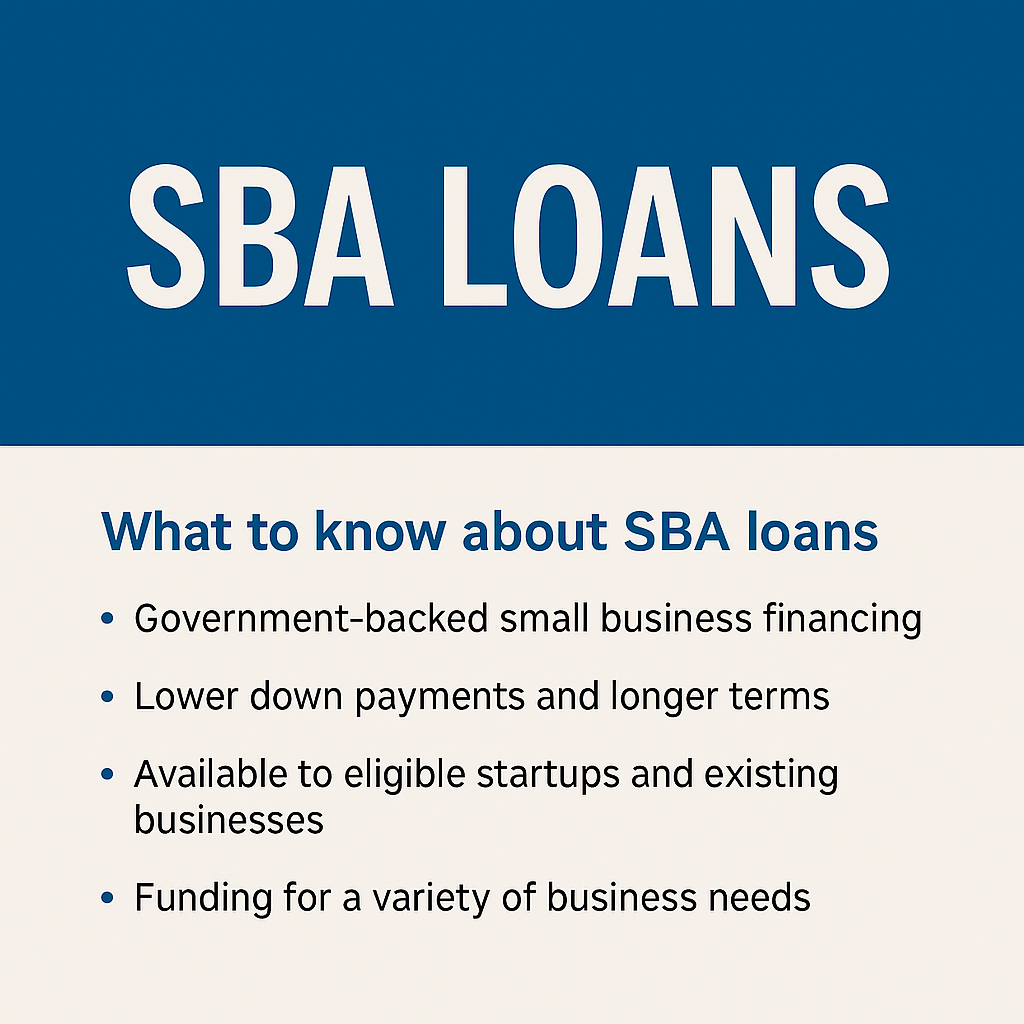
Understanding SBA Loans — A Smart Path to Small Business Growth

Small Business Administration (SBA) loans are one of the most effective and accessible financing tools available to entrepreneurs today. Whether you’re a startup looking to fund early operations or an established business wanting to expand, SBA loans provide the flexible, affordable support many traditional loans can’t match.

What Makes SBA Loans Unique?

Unlike conventional loans, SBA loans are partially guaranteed by the federal government. This reduces risk for lenders and makes it easier for small business owners to qualify. In many cases, SBA loans come with lower down payments, longer repayment terms, and competitive interest rates, making them a go‑to solution for businesses across industries.

💼 Types of SBA Loans

1. SBA 7(a) Loan

The most popular and versatile SBA loan.
Perfect for:

  • Working capital
  • Equipment purchases
  • Business acquisition
  • Expansion or renovation

2. SBA 504 Loan

Designed for large, long‑term investments such as:

  • Commercial real estate
  • Heavy machinery
  • Major infrastructure upgrades

3. SBA Microloans

Ideal for startups or very small businesses that need $50,000 or less.
Great for:

  • Initial inventory
  • Supplies
  • Small equipment

📋 Common Eligibility Requirements

To qualify for an SBA loan, lenders typically look for:

  • A solid business plan
  • Good personal and business credit
  • Proof of ability to repay
  • U.S.‑based business operating for profit

Because SBA loans are government‑backed, documentation requirements are more detailed — but the payoff is worth it for the lower risk and better terms.

🚀 How SBA Loans Support Business Growth

SBA loans help business owners:

  • Improve cash flow
  • Expand into new products or markets
  • Hire additional staff
  • Invest in long‑term assets
  • Build a stronger operational foundation

For many businesses, an SBA loan becomes the catalyst that drives long‑term success and stability.

📝 Final Thoughts

Securing financing can feel overwhelming, but SBA loans are intentionally designed to make capital more accessible for small businesses. With flexible repayment options and broad eligibility, they remain one of the most powerful tools for entrepreneurs ready to scale.

If you’re considering an SBA loan, now is a great time to evaluate your needs and prepare a strong application package. With the right preparation, SBA funding can provide the momentum your business needs to grow confidently and sustainably.

Understanding SBA 504 Loans: A Powerful Tool for Business Expansion

When your business is ready to grow, one of the most reliable ways to secure long‑term, affordable financing is through the SBA 504 Loan Program. Designed specifically to support business expansion and fixed‑asset investment, the 504 program helps small businesses build long‑term stability and increase their economic impact in the communities they serve.

What Is an SBA 504 Loan?

The SBA 504 loan is a government‑backed financing program created to help small businesses purchase major fixed assets. These are long‑term investments that directly support growth and productivity, such as:

  • Commercial real estate
  • Land or land improvements
  • Construction or building expansions
  • Heavy equipment and machinery

Unlike traditional loans, the 504 loan uses a three‑part structure:

  1. A bank or private lender covers roughly 50%.
  2. A Certified Development Company (CDC) provides up to 40%.
  3. The borrower contributes a relatively low 10% down payment (sometimes slightly more depending on the business type).

This structure significantly reduces upfront costs, making expansion more realistic for businesses that might otherwise struggle with large down payments.

Top Benefits of SBA 504 Loans

1. Long, Fixed Interest Rates

SBA 504 loans offer long‑term repayment periods, typically:

  • 10 years for equipment
  • 20–25 years for real estate

The interest rates are fixed, providing predictability and protection against market fluctuations.

2. Lower Down Payments

With down payments as low as 10%, businesses can conserve cash for operations, staffing, or working capital.

3. Supports Economic Development

Because SBA 504 loans are administered through CDCs, borrowers not only get financing—they also contribute to job creation and community growth.

4. No Balloon Payments

Many commercial loans come with balloon payments that can create financial stress. SBA 504 loans avoid that issue entirely.

Who Should Consider an SBA 504 Loan?

This program is ideal for businesses that are:

  • Planning to purchase or upgrade facilities
  • Investing in revenue‑generating equipment
  • Looking to expand without depleting cash reserves
  • Ready to own instead of lease space

Industries commonly benefiting from 504 financing include manufacturing, construction, healthcare, logistics, restaurants, and professional services.

Common Use Cases

  • Buying or building a new office, warehouse, or production facility
  • Expanding existing square footage
  • Investing in specialized equipment or machinery
  • Purchasing land for future development

Is an SBA 504 Loan Right for You?

If your business is stable, profitable, and poised for growth, the SBA 504 loan program can be a powerful catalyst. It allows you to make long‑term investments with confidence, predictable costs, and affordable terms.

Understanding Commercial Loans: A Practical Guide for Growing Businesses

Commercial loans play a vital role in helping businesses expand, manage cash flow, and invest in long‑term assets. Whether you’re upgrading equipment, renovating a facility, or fueling rapid growth, the right financing can give your company the leverage it needs to move forward confidently.

In this post, we break down what commercial loans are, how they work, the most common types, and what businesses should consider before applying.


What Are Commercial Loans?

A commercial loan is a financing product provided to businesses for operational or capital expenditures. Unlike consumer loans, commercial loans are designed specifically for companies and offer tailored terms that align with business needs, cash‑flow patterns, and long‑term strategic goals.

Businesses use commercial loans for:

  • Purchasing or renovating property
  • Funding equipment or vehicles
  • Expanding operations
  • Managing short‑term cash flow
  • Refinancing existing debt
  • Investing in technology or infrastructure

Common Types of Commercial Loans

1. Term Loans

A traditional commercial loan with a set repayment schedule.
Best for: business expansions, major purchases, or predictable long‑term investments.
You receive a lump sum upfront and repay over time with interest.

2. Commercial Real Estate Loans

Used to purchase, refinance, or renovate property.
These loans often have longer terms and competitive interest rates, especially when backed by strong collateral.

3. Equipment Financing

Designed specifically for machinery, vehicles, and specialized equipment.
The equipment itself typically serves as the collateral, making approval more accessible.

4. Lines of Credit

Flexible financing that allows businesses to draw funds as needed.
Ideal for: managing cash flow, covering seasonal dips, or handling unexpected expenses.

5. SBA Loans (Including 7(a) and 504 Loans)

Government‑backed loans offering low down payments, long terms, and attractive rates.
Great for: real estate, equipment, working capital, and long‑term growth investments.

6. Commercial Bridge Loans

Short‑term financing providing quick capital until long‑term funding is secured.
Often used in real estate or during transitional periods.


Benefits of Commercial Loans

✔ Access to Capital for Growth

Commercial loans empower businesses to seize opportunities without draining working capital.

✔ Flexible Terms

Lenders often tailor repayment schedules, interest rates, and collateral requirements to fit the business’s financial structure.

✔ Preserve Ownership

Unlike equity financing, loans allow businesses to grow without giving up shares or control.

✔ Build Business Credit

Consistent repayment helps establish strong business credit, unlocking access to larger financing options in the future.


What Lenders Look For

Before approving a commercial loan, lenders typically evaluate:

  • Business financial statements
  • Cash flow stability
  • Credit history (business & personal)
  • Collateral value
  • Business plan and purpose of funds
  • Industry health and risk level

Being prepared with strong documentation significantly increases approval chances.


How to Know Which Loan Is Right for You

Choosing the right type of commercial loan depends on:

  • The size and timeline of your project
  • The assets you’re purchasing
  • Existing debt levels
  • Your business’s cash flow
  • How quickly you need funding
  • Whether you prefer fixed or flexible repayment terms

A strategic financing partner can help assess your needs and guide you toward the best solution.


Final Thoughts

Commercial loans are powerful tools that help businesses scale, modernize, and stay competitive. With the right loan structure, companies can make major investments while protecting day‑to‑day liquidity and maintaining long‑term financial health.

If your business is planning an expansion, equipment upgrade, or property purchase, exploring commercial loan options may be the key to unlocking your next stage of growth.